60+ Stunning Home Decor Ideas for Living Rooms That Actually Feel Like You Live There
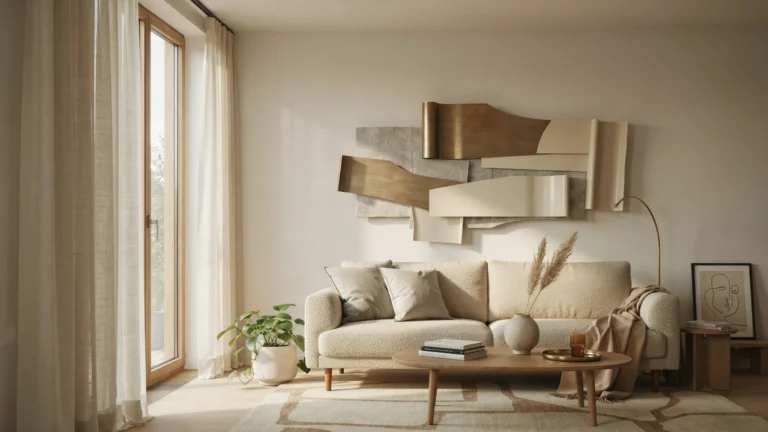
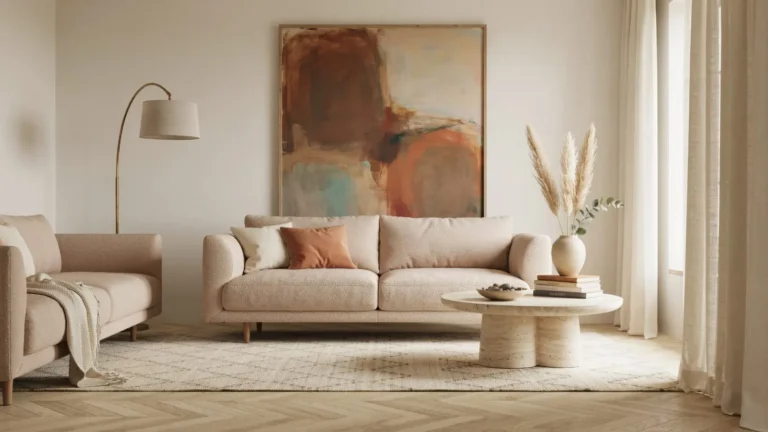
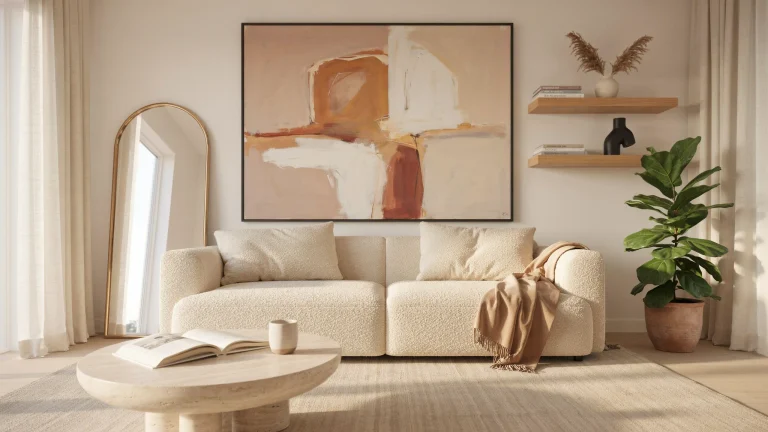
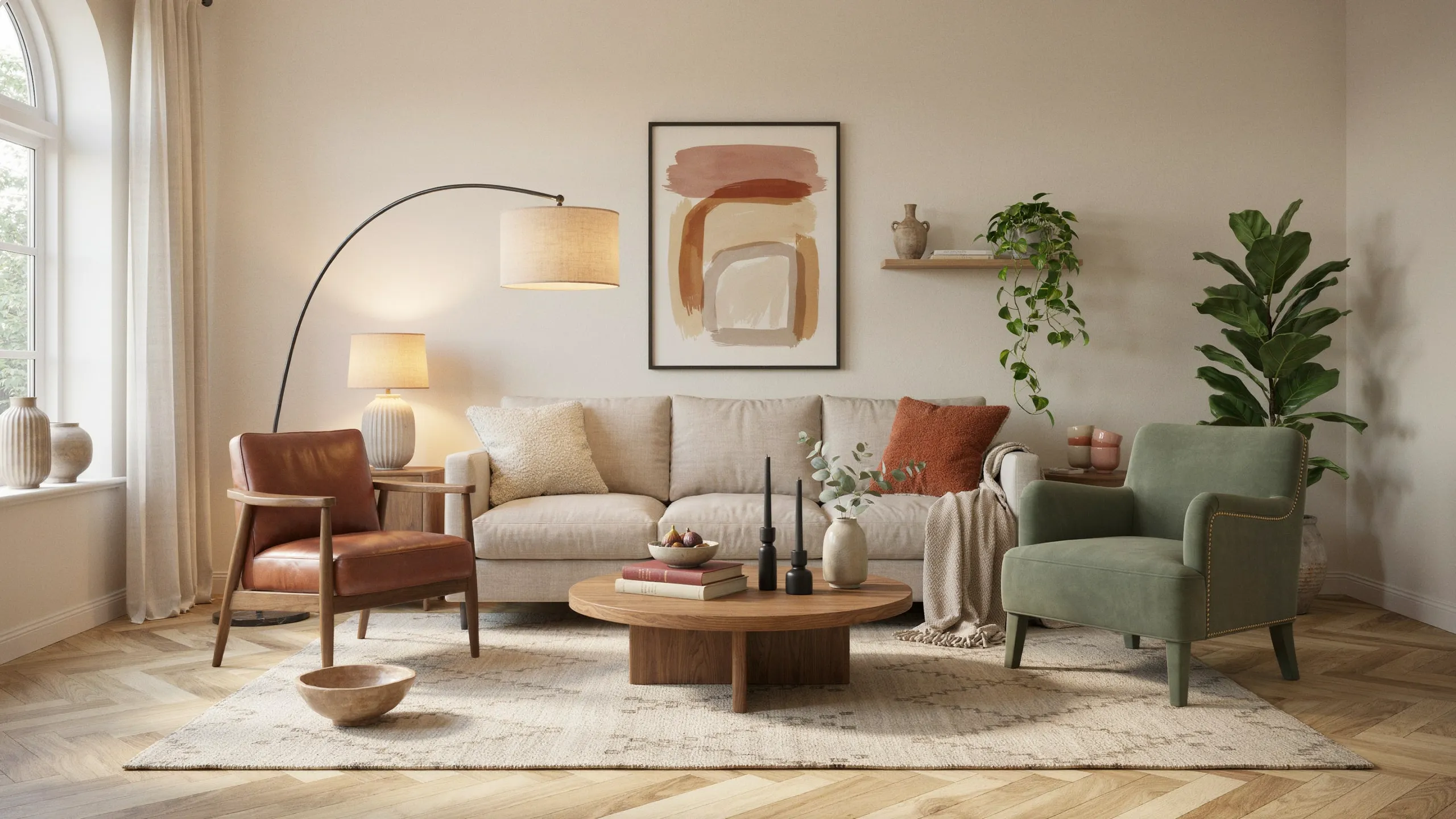
The fastest way to improve your space is to start with three things, in this order: layout (how furniture relates to traffic flow and conversation), layering (lighting, texture, and color at three different heights), and restraint (fewer, better objects instead of more small ones). These principles are at the heart of effective Home Decor Ideas for Living Room, because most living rooms don’t feel “off” because of bad taste they feel off because of scale mistakes, flat lighting, or clutter with no clear visual hierarchy.
Table of Contents
- Why Most Living Room Decor Advice Doesn’t Work
- Start With Function, Not Style
- Layout: The Decision That Determines Everything Else
- Color Strategy That Doesn’t Date Quickly
- Lighting: The Most Underrated Decor Tool
- Living Room Ideas by Style
- Living Room Ideas by Size and Layout Challenge
- Budget Tiers: What to Spend Money On (and What Not To)
- Texture, Texture, Texture
- Wall Decor and Gallery Walls That Look Curated, Not Cluttered
- Rugs: Sizing, Placement, and the #1 Mistake
- Common Mistakes That Quietly Ruin Living Rooms
- A Simple Room Refresh Checklist
- Seasonal and Low-Cost Refresh Ideas
- FAQs
- Final Takeaways
Why Most Home Decor Ideas for Living Room Don’t Work
Search “living room decor ideas,” and you’ll get thousands of photo galleries with almost no explanation of why those rooms work. You end up copying the surface a certain sofa color, a specific throw pillow arrangement without understanding the design logic underneath. Then it doesn’t translate to your room, because your ceiling height, window placement, and furniture are different.
This guide works backward from that problem. Instead of just showing ideas, it explains the reasoning so you can adapt any of them to your specific space, whether that’s a 900-square-foot apartment in the city or a sprawling suburban great room.
Two things separate a living room that feels professionally designed from one that feels randomly assembled:
- Intentionality: every object earns its place because of function, story, or visual balance.
- Hierarchy: the eye knows where to land first, second, and third.
Everything below builds toward those two outcomes.
Start With Function, Not Style
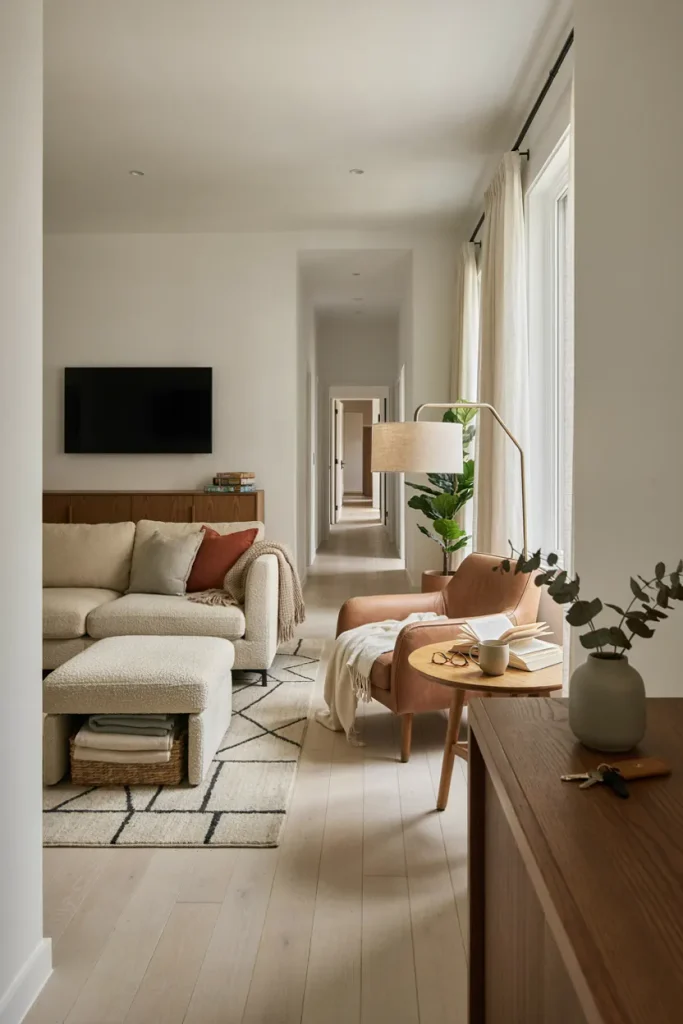
Before choosing a color palette or a sofa, answer these questions. Skipping this step is the single most common reason living rooms look beautiful in photos but feel frustrating to actually live in.
- Who uses this room, and for what? (TV watching, hosting, reading, kids playing, remote work)
- How many people need to sit comfortably at once?
- Does the room need to pull double duty (dining, office, playroom)?
- What’s the primary light source, and when is the room used most, day or evening?
- What’s your actual maintenance tolerance? (Light rugs and white sofas look great but punish busy households.)
A living room used mostly for hosting needs different seating geometry chairs that pull into conversation than one used mostly for solo TV time, which needs a single strong sightline to the screen. Design each choice around real behavior, not an idealized version of how you wish you used the room.
Layout: The Decision That Determines Everything Else
Before touching paint colors or decor accessories, get the furniture layout right. A well-decorated room with a bad layout still feels wrong. A well-laid-out room with minimal decor still feels functional and calm.
The Conversation Circle Rule
Seating should form a loose circle or U-shape where people can talk without raising their voices; generally, no more than 8–10 feet between seats. If your sofa and chairs are pushed against opposite walls with a big gap in the middle, pull them in. Floating furniture away from the walls almost always looks and feels more intentional than hugging the perimeter.
Traffic Flow First
Sketch, even just mentally, how people actually walk through the room, from the entry to the kitchen, hallway, or patio door. Furniture should never block that natural path. Leave at least 30–36 inches for main walkways and 18 inches between the coffee table and seating.
Anchor the Room With a Focal Point, Not Just the Sofa
Many layouts default to “sofa against the longest wall, everything else follows.” Instead, choose your focal point first a fireplace, a window view, a media wall, or even the seating cluster itself and build the layout around that, using a rug to visually define the zone.
Common Layout Archetypes
| Layout Type | Best For | Key Tip |
| U-shape (sofa + 2 chairs) | Hosting-focused rooms | Keep a coffee table centered for balance |
| L-shape (sectional) | Family/TV rooms | Anchor the open end toward the main walkway |
| Parallel (two sofas facing) | Formal or symmetrical rooms | Great for narrow rectangular rooms |
| Floating pair (loveseat + chairs, no wall contact) | Open-concept spaces | Use a rug to ground the cluster |
Color Strategy That Doesn’t Date Quickly
Trend cycles move fast, but a few color principles hold up regardless of what’s popular this year.
The 60-30-10 Rule, Applied to Real Rooms
- 60% dominant color: walls, large upholstery, rug base tone
- 30% secondary color: curtains, accent chairs, large art
- 10% accent color: pillows, books, vases, small objects
Rooms feel chaotic when this ratio flips, for example, when five different accent colors each get equal visual weight. Pick one accent color family and let it repeat in at least two or three places, so the eye reads it as intentional, not accidental.
Warm Neutrals Are Outperforming Cool Grays
Cool, stark grays dominated the 2015–2020 era. Current interior design trends favor warmer neutrals greige, warm taupe, soft clay, and off-white with beige undertones because they photograph better in mixed lighting and pair more easily with wood tones and greenery. If you’re repainting, test warm neutrals against your actual window light before committing; undertones shift dramatically between north-facing and south-facing rooms.
Deep, Saturated Colors in Small Doses Add More Value Than an Accent Wall
Instead of one flat accent wall, consider a deep color forest green, ink navy, terracotta on trim, a door, built-in shelving, or the entire room, including the ceiling (“color drenching”). This creates a cocoon effect that reads as more expensive and more deliberate than a single painted wall competing with three neutral ones.
Lighting: The Most Underrated Decor Tool
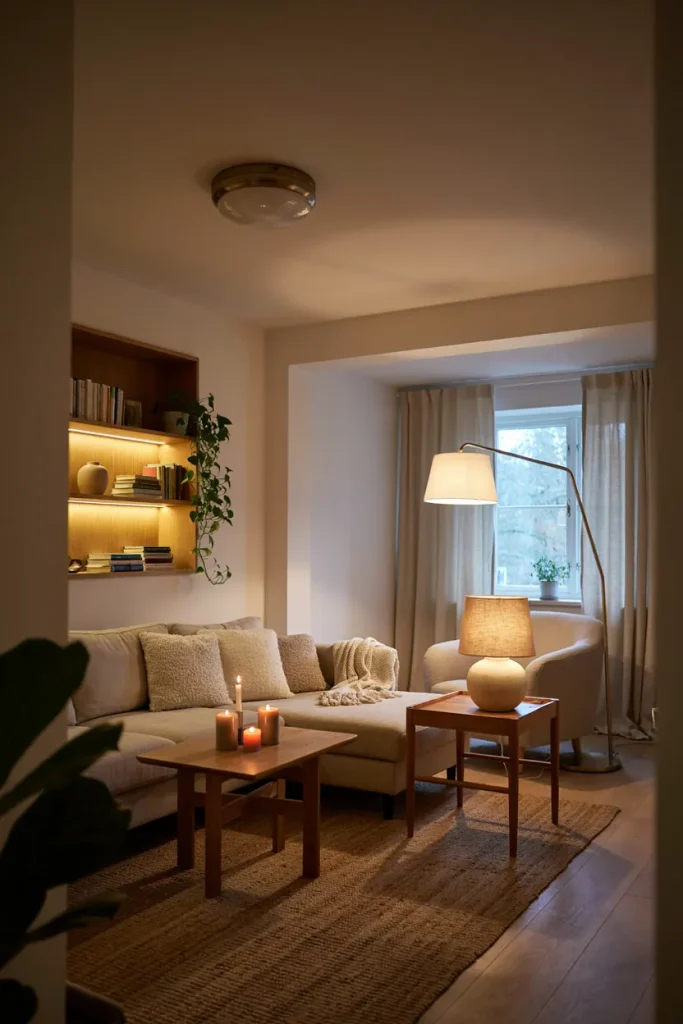
A living room with great furniture and a single overhead ceiling fixture will still feel flat, cold, and uninviting. Professional designers layer light at three levels:
- Ambient (overall room light): ceiling fixtures, recessed lighting
- Task (functional light): reading lamps, desk lighting
- Accent (mood and depth): floor lamps, picture lights, LED strips behind shelving, candles
Aim for at least three separate light sources at different heights in any living room. A floor lamp in one corner, a table lamp near seating, and dimmable overhead lighting will transform a room more dramatically than almost any furniture purchase.
Practical tip: Use warm white bulbs (2700K–3000K) in living spaces. Cool white (4000K+) reads clinical and is better reserved for kitchens or workspaces.
Living Room Ideas by Style
1. Modern Minimalist
- Low-profile sofa in a single neutral tone
- One statement lighting fixture instead of multiple small accents
- Negative space treated as a design element, not space to fill
- Hidden storage (media consoles, ottomans) to keep surfaces clear
2. Japandi (Japanese + Scandinavian)
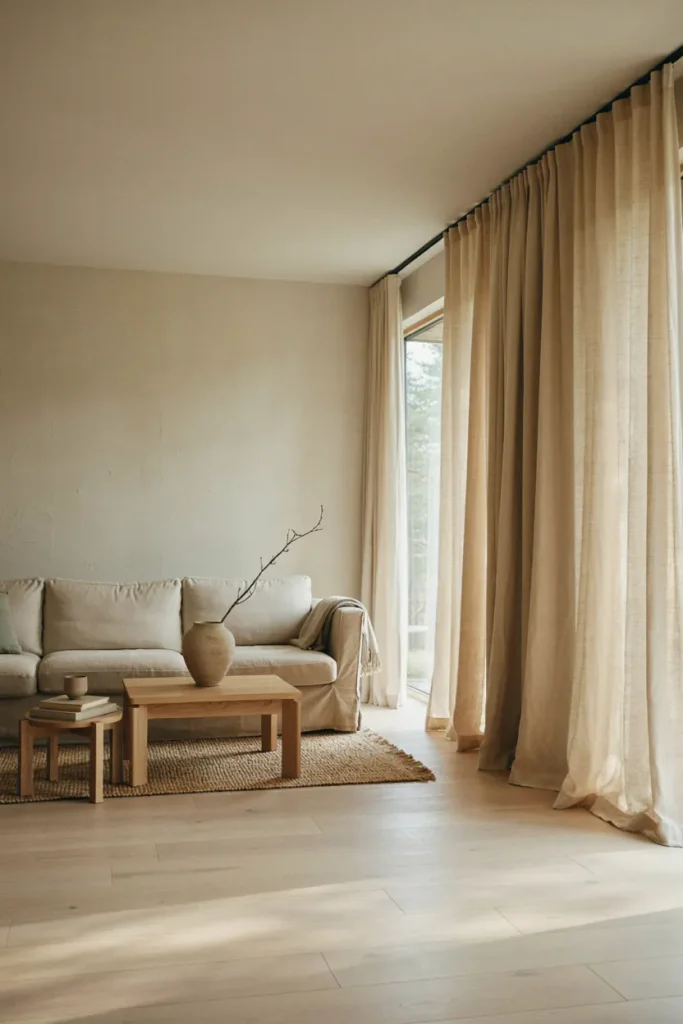
- Natural wood tones (oak, ash, walnut) paired with linen textiles
- Low seating height, close to the floor
- Muted, earthy palette: sand, clay, sage, charcoal
- One or two imperfect, handmade-looking ceramic pieces
3. Warm Traditional
- Skirted or rolled-arm sofas
- Layered patterns: stripes with florals with solids, unified by one repeated color
- Wood furniture with visible grain and turned legs
- Brass or aged-metal lighting fixtures
4. Coastal / Relaxed Casual
- Slipcovered furniture in washable linen or cotton
- Natural fiber rugs (jute, sisal) layered under a smaller patterned rug
- Light wood tones, rattan, and woven textures
- Blue-green accent palette used sparingly, not literally (avoid anchor-and-seashell clichés)
5. Moody Maximalist
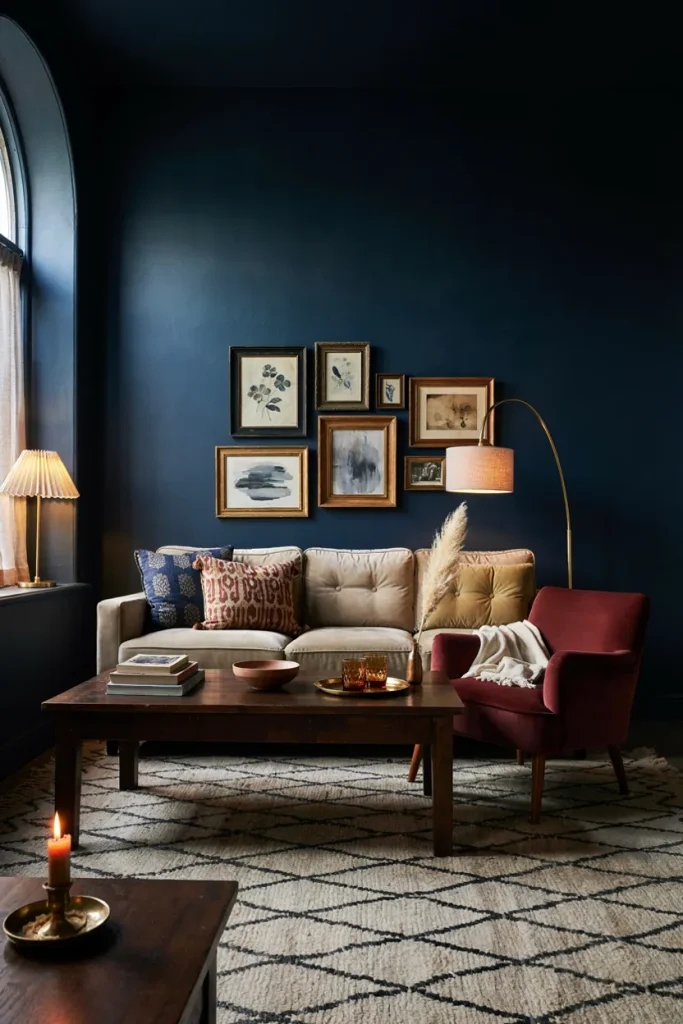
- Deep, saturated wall color (forest, burgundy, ink navy)
- Gallery wall with mixed frame styles and eras
- Velvet or bouclé upholstery
- Brass, gold, or aged metal accents for contrast against dark backgrounds
6. Mid-Century Modern
- Tapered wood legs, walnut tones
- Organic curved shapes (kidney-shaped coffee tables, boomerang silhouettes)
- Bold but limited color accents (mustard, burnt orange, teal)
- Geometric patterns in moderation
7. Industrial
- Exposed materials: brick, concrete, black metal
- Leather seating allowed to age and patina naturally
- Edison-style or exposed-bulb fixtures
- Reclaimed wood surfaces
Living Room Ideas by Size and Layout Challenge
Small Living Rooms
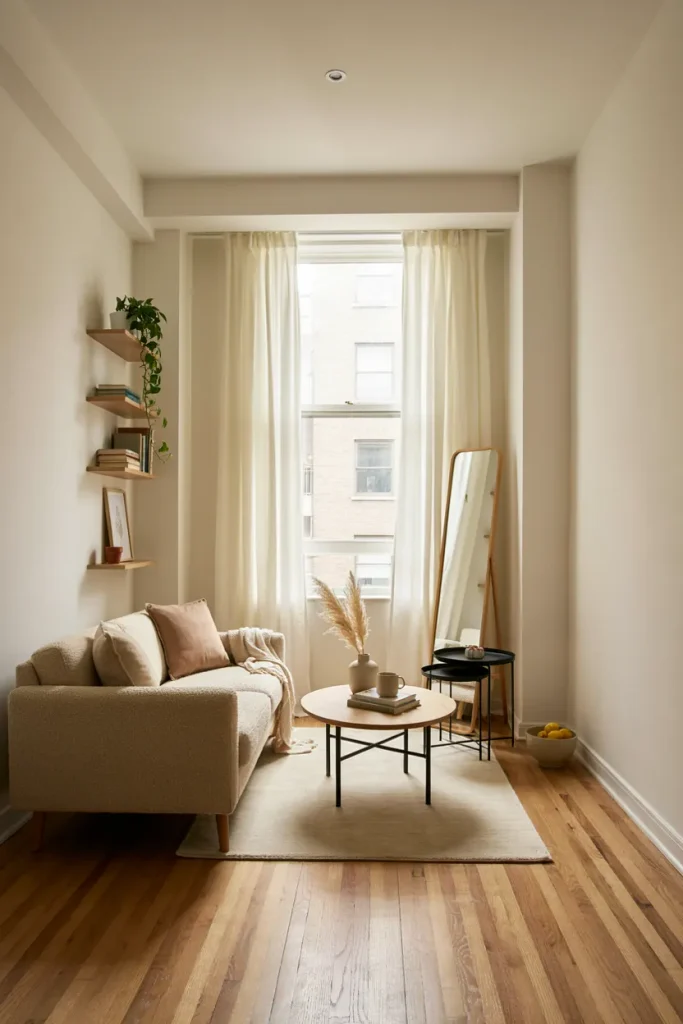
- Use a rug that extends under the front legs of all seating; a too-small rug is the #1 reason small rooms feel choppy.
- Choose furniture with visible legs instead of skirted bases; visible flooring underneath tricks the eye into perceiving more space.
- Mirror placement across from a window doubles perceived light and depth.
- Multi-functional furniture (storage ottomans, nesting tables, a console that hides a desk) reduces clutter without reducing usefulness.
- Vertical decor (tall bookshelves, floor-to-ceiling curtains hung close to the ceiling line rather than at the window frame) draws the eye up and makes ceilings feel taller.
Open-Concept Living Rooms
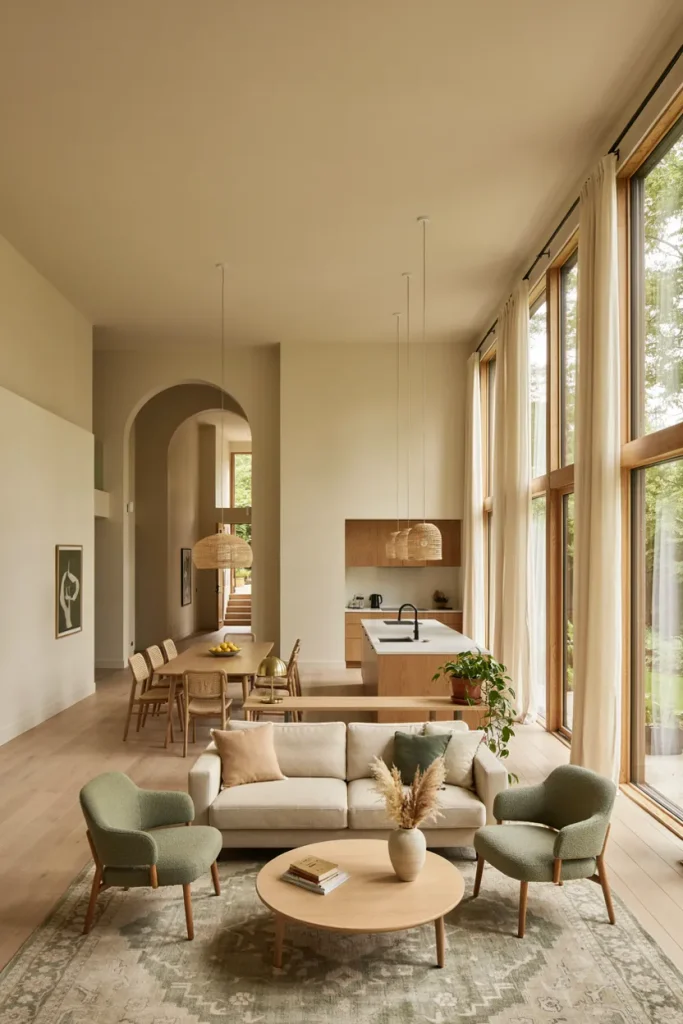
- Use an area rug to define the living zone distinctly from the dining or kitchen zone.
- Keep a consistent color and material language across zones so the whole space reads as one designed area, not three disconnected rooms.
- A console table or low bookshelf behind the sofa can act as a soft room divider without blocking sightlines.
Awkward or Narrow Living Rooms
- In narrow rectangular rooms, angle the seating diagonally rather than fighting the shape with a straight, wall-hugging layout.
- Use a round coffee table instead of a rectangular one to soften traffic flow in tight walkways.
- Built-in or floating shelving on a short wall adds storage without eating into floor space.
Living Rooms With No Clear Focal Point
- Create one with furniture arrangement alone: angle the sofa toward a large piece of art or a well-lit corner.
- A bold rug or a single oversized art piece can act as a manufactured focal point when architecture doesn’t provide one.
Budget Tiers: What to Spend Money On (and What Not To)
Not every element deserves the same investment. Here’s where money actually shows up in how a room feels.
| Spend More On | Spend Less On |
| Sofa frame and cushion fill quality | Trendy accent pieces you may tire of |
| A large area rug | Small decorative objects (trays, vases in bulk) |
| Lighting fixtures (visible, used daily) | Seasonal decor |
| Window treatments (fabric quality, correct length) | Throw pillow covers (easy to swap seasonally) |
| One statement art piece | Multiple small prints |
Low-Budget Wins (under $75 each):
- Repainting trim or a single wall
- Swapping lampshades for warmer, larger ones
- Adding a floor mirror
- Reupholstering just the seat cushions instead of a full sofa
- Layering a smaller vintage-style rug over a plain base rug
Mid-Budget Wins (75–400):
- A quality floor lamp with a dimmer
- New curtain panels hung higher and wider than the window frame (extends ceiling height and window size visually)
- A refinished or thrifted wood coffee table
- Professional cleaning or dyeing of an existing rug
Higher-Budget, High-Impact:
- A well-constructed sofa (10+ year frame warranty, kiln-dried hardwood, 8-way hand-tied or comparable support)
- Custom or made-to-measure drapery
- Built-in shelving or millwork around a fireplace or media wall
Texture, Texture, Texture
Color gets most of the attention, but texture is what makes a neutral room feel rich instead of flat. A monochrome room with five different textures bouclé, linen, wood grain, woven jute, matte ceramic will always look more expensive than a colorful room with uniform, smooth textures.
Practical ways to layer texture:
- Mix a smooth leather or velvet sofa with a nubby wool or jute rug
- Add a chunky knit throw against a smooth linen sofa
- Combine matte ceramic vases with a glossy lacquered side table
- Introduce raw wood grain (a live-edge shelf, unfinished wood bowl) against polished metal lighting
Wall Decor and Gallery Walls That Look Curated, Not Cluttered
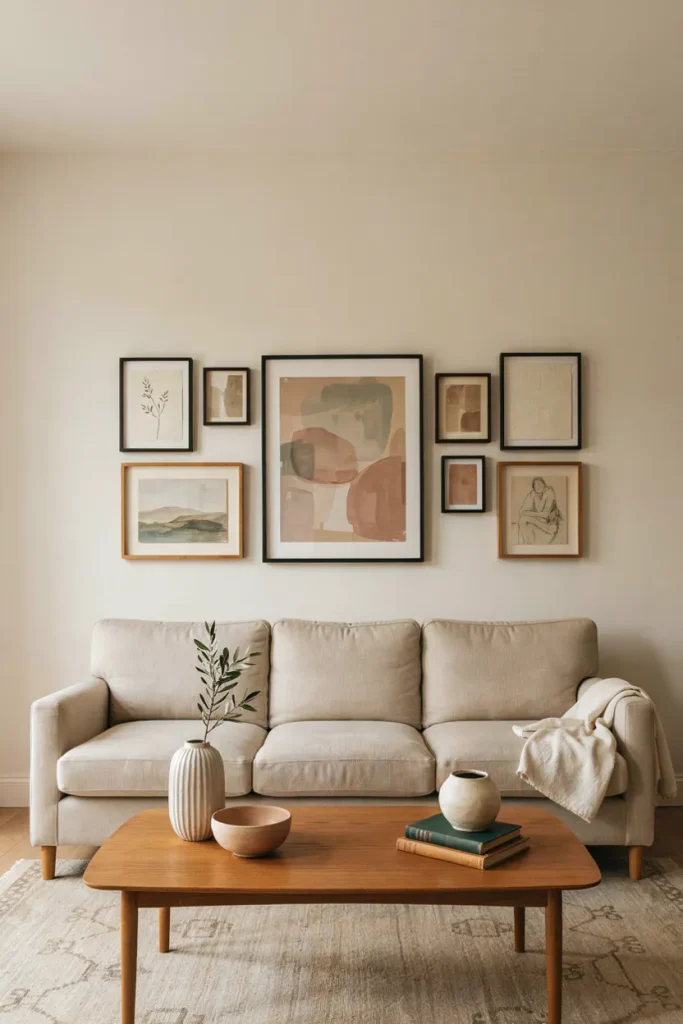
Gallery walls fail most often because of inconsistent spacing and mismatched scale, not because of the art itself.
Rules that actually work:
- Keep spacing between frames consistent; 2–3 inches is the standard professional gap.
- Anchor the layout around one larger central piece; smaller pieces should feel like they orbit it, not compete with it.
- Mix frame finishes (2–3 max) rather than using one frame style for everything, which can read like a stock display.
- Hang art so the center sits at eye level, roughly 57–60 inches from the floor, not centered on the wall itself, which is often too high.
- Above a sofa, art or a gallery cluster should span roughly two-thirds the width of the sofa, not the full wall.
Alternatives to traditional framed art:
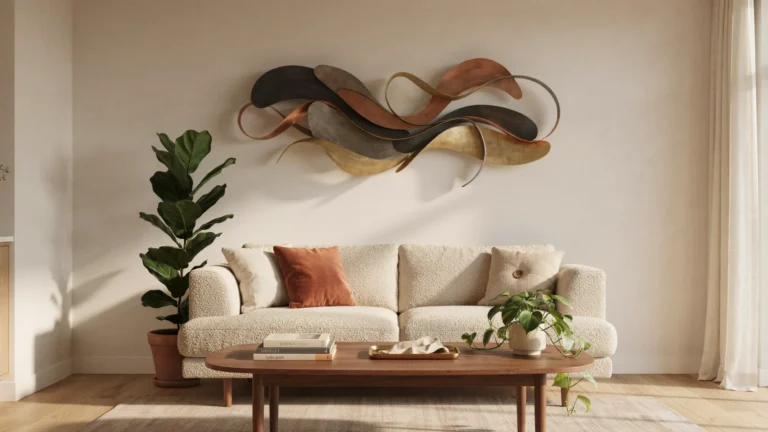
- Textile wall hangings (macramé, woven wall art)
- A single oversized mirror as the “art”
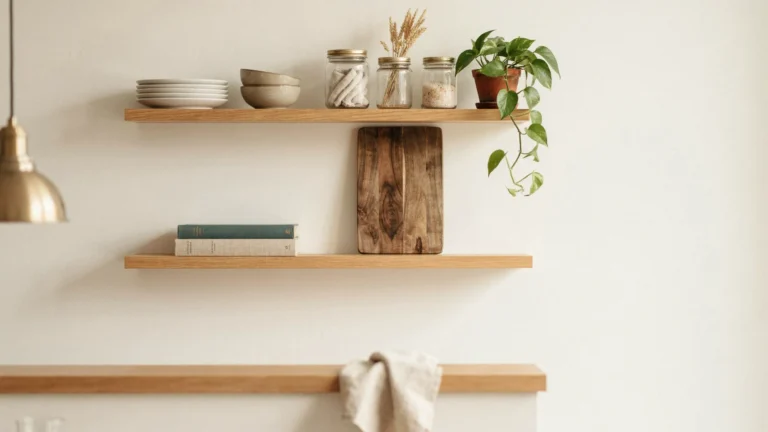
- Sculptural wall shelving styled with a few objects instead of many
- Plaster or textured wall panels for a dimensional, gallery-like effect without any hanging art at all
Rugs: Sizing, Placement, and the #1 Mistake
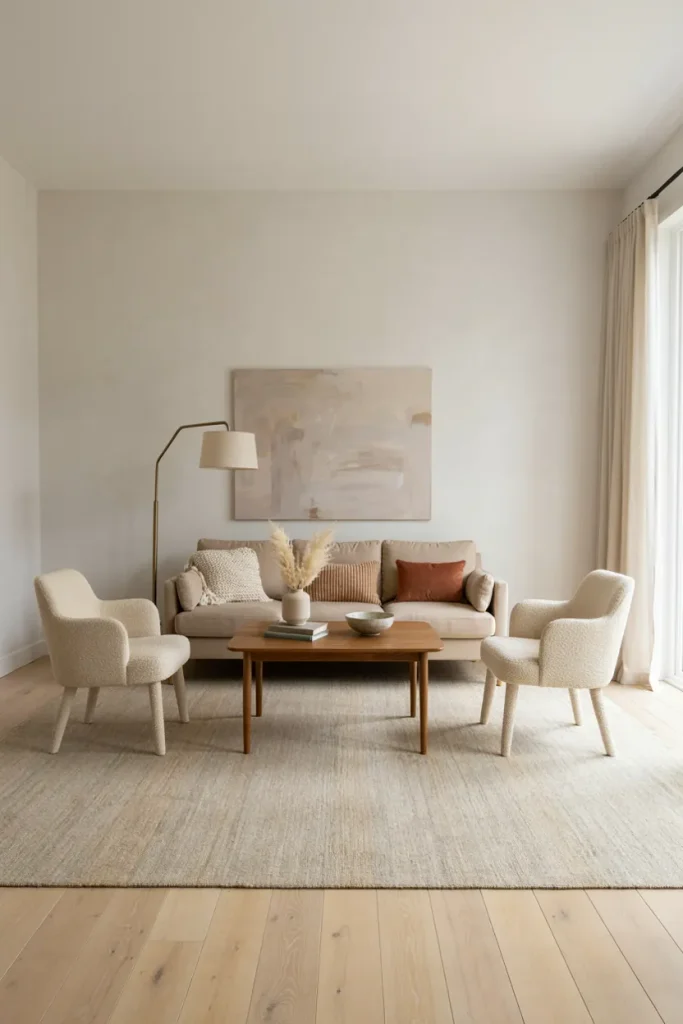
The most common living room mistake, across every budget and style, is an undersized rug. A rug that only fits under the coffee table, with all the seating floating outside its edges, visually shrinks the room and makes the layout feel disconnected.
Sizing guide:
| Room Size | Recommended Rug Size |
| Small (under 120 sq ft) | 5′ x 8′, front legs of furniture on rug |
| Medium (120–200 sq ft) | 8′ x 10′, all furniture legs on rug |
| Large (200+ sq ft) | 9′ x 12′ or larger, all furniture legs on rug |
Placement principle: At minimum, the front legs of every seating piece should rest on the rug. Ideally, all four legs of each piece sit on it, with roughly 12–18 inches of bare floor visible around the rug’s perimeter.
Common Mistakes That Quietly Ruin Living Rooms
- Pushing all furniture against the walls. It feels safer but almost always makes a room feel less intentional and harder to have real conversations in.
- One light source for the whole room. Flat overhead lighting is the fastest way to make a beautifully decorated room feel sterile.
- Matching furniture sets bought as a single unit. Sets can look showroom-generic; mixing eras, finishes, and sources creates a more collected, lived-in feel.
- Ignoring scale. A tiny coffee table in front of a large sectional, or oversized furniture crammed into a small room, breaks visual balance immediately.
- Too many small decorative objects with no grouping logic. Cluster items in odd numbers (3 or 5) at varying heights instead of scattering single pieces evenly around the room.
- Curtains hung too short or too tight to the window frame. This visually shortens the wall and window. Hang rods 4–6 inches above the frame and let panels graze or slightly pool at the floor.
- Forgetting the ceiling and floor as decor surfaces. A patterned rug, exposed beams, or a painted ceiling are often the most overlooked opportunities for character.
A Simple Room Refresh Checklist
Use this as a working list, not something you read once and forget:
- Furniture pulled away from walls where possible, arranged in a conversation-friendly shape
- Rug sized so at least the front furniture legs sit on it
- Three light sources at different heights, warm-toned bulbs
- One clear focal point the room is arranged around
- Color ratio roughly 60-30-10 across the room
- At least three different textures represented
- Art hung at eye level, sized appropriately to the wall or furniture below it
- Clutter grouped intentionally in odd-numbered clusters, not scattered evenly
- Walkways left clear, at least 30 inches wide
- One or two “quiet” surfaces left empty for visual rest
Seasonal and Low-Cost Refresh Ideas
You don’t need a full redecoration to keep a living room feeling current:
- Swap throw pillow covers seasonally instead of buying new pillows
- Rotate in a few fresh or dried stems in an existing vase
- Turn a few books spine-out to cover-out on shelves for visual variety
- Move a single accent chair to a different corner to reset the room’s flow
- Add a plant or two even faux, high-quality options add life and soften hard furniture lines
- Layer a new throw blanket in a seasonal color across the sofa arm, folded rather than draped flat
FAQs
What is the biggest decorating mistake in living rooms?
Undersized rugs and furniture pushed entirely against the walls, leaving a large, unused, disconnected space in the middle of the room.
How do I make my living room look more expensive without a full renovation?
Focus on rug size, layered lighting, and texture variety. These three factors influence perceived quality more than the price of any single item.
What color should I paint my living room in 2026?
Warm neutrals (greige, warm taupe, soft clay) and deep saturated tones used in “color drenching” (walls, trim, and ceiling in one color) are both performing well. Cool, stark gray has fallen out of favor.
How many light sources should a living room have?
At minimum, three, at different heights: ambient (ceiling light), task (a reading or table lamp), and accent (a floor lamp or decorative lighting).
What size rug do I need for my living room?
As a baseline, choose a rug large enough that the front legs of your seating pieces rest on it. For most standard living rooms, that means at least an 8′ x 10′ rug.
Should furniture match or be mixed?
Mixed furniture from different sources, finishes, or eras generally looks more curated and intentional than a matching showroom set, as long as a consistent color or material thread ties the pieces together.
How do I arrange furniture in a small living room?
Prioritize a rug that anchors the space, choose furniture with visible legs to keep sightlines open, and avoid oversized pieces that dominate the room’s proportions.
How high should I hang curtains?
Mount the rod 4–6 inches above the window frame and let panels extend close to the floor. This makes both the window and the ceiling appear taller.
How do I create a focal point if my living room doesn’t have a fireplace?
Use a large piece of art, a bold rug, a well-lit reading nook, or the seating arrangement itself angled toward a specific wall or view.
What’s the difference between an accent wall and color drenching?
An accent wall paints a single wall a bold color while the rest stay neutral. Color drenching paints the entire room, including trim and sometimes the ceiling, in one color for a more cohesive, enveloping effect.
How often should I refresh my living room decor?
Small refreshes (pillows, plants, rearranged accessories) work well seasonally. Larger layout or furniture changes typically make sense every 3–7 years, depending on wear and lifestyle changes.
Is it okay to leave space in a living room?
Yes. Deliberate space, sometimes called negative space, gives the eye a place to rest and actually makes styled areas look more intentional, not less finished.
What decor items give the best visual impact for the lowest cost?
Lighting upgrades, a properly sized rug, and fresh throw pillows or a throw blanket typically deliver the most visible change for the least money.
Final Takeaways
A living room comes together through decisions in a specific order: layout first, then lighting, then color, then texture, and only then the smaller decorative layer of pillows, art, and objects. Skipping straight to accessories without solving layout and lighting is why so many rooms feel like they’re missing something even after a shopping trip.
Your next steps:
- Reassess your current layout against the conversation-circle and traffic-flow rules above.
- Check your rug size; this alone fixes more rooms than any other single change.
- Add at least one additional light source at a different height than what you currently have.
- Choose one accent color and repeat it in at least three places in the room.
- Make one texture addition this week: a throw, a woven basket, or a ceramic vase, and notice the difference before buying anything else.
Small, correctly sequenced changes consistently outperform large, unplanned purchases. Start with the structure, and the styling will fall into place far more naturally.