
Interior Design Styles 2026: The Complete Guide to Six Standout Styles
Choosing an interior design style used to mean picking from broad categories like modern, traditional, or contemporary. Today, Interior Design Styles 2026 offer homeowners far more freedom to mix influences, textures, colors, and eras to create spaces that feel personal rather than perfectly matched.
You might see a sculptural concrete-inspired living room next to a warm wood kitchen, a jewel-toned bedroom beside a vintage-inspired home office, or a carefully curated mix of modern and antique furniture throughout the same home. The goal is no longer to follow one rigid design formula. Instead, it is about creating a space with personality, comfort, and a clear visual direction.
This guide explores six distinctive interior design styles shaping the way people decorate in 2026: soft brutalism, art deco, neo deco, eclectic, grunge, and whimsigoth.
For each style, you’ll learn what defines it, where its visual character comes from, which colors and materials work best, how to use it in different rooms, what mistakes to avoid, and how to try the look without committing to an expensive renovation.
Whether you’re decorating a new home, refreshing a rental, or simply trying to understand the style you’ve naturally been drawn to, these ideas will help you turn inspiration into a practical decorating plan.
How to Choose the Right Interior Design Style for Your Home
The right interior design style should fit more than your taste. It should also match how you live, your home’s architecture, your budget, and how much maintenance you’re comfortable with.
Before committing to a particular look, consider these three questions.
How Do You Actually Live?
Think about your daily routine before choosing a style.
If you have children, pets, or a busy household, delicate fabrics and high-maintenance finishes may become frustrating. More forgiving materials, washable textiles, darker colors, and durable furniture can make everyday living easier.
If you prefer a calm, uncluttered environment, soft brutalism may appeal to you. If you enjoy collecting vintage pieces and displaying personal objects, eclectic or whimsigoth interiors may feel more natural.
What Are Your Home’s Architectural Features?
Your home’s existing architecture can provide useful direction.
A home with original decorative details may work beautifully with Art Deco influences. An industrial loft may naturally suit soft brutalism or grunge. A simple modern apartment can become a strong foundation for neo deco or eclectic decorating.
You don’t have to match your home’s architecture perfectly, but working with existing features can make the decorating process easier and more cohesive.
Are You Decorating for the Short or Long Term?
Some changes are easy to reverse, while others are expensive and permanent.
Paint, rugs, curtains, cushions, artwork, and lighting can usually be changed without major work. Concrete finishes, built-in cabinetry, stone surfaces, flooring, and architectural alterations require more commitment.
If you’re experimenting with a style for the first time, begin with reversible elements before investing in permanent changes.
Soft Brutalism Interior Design

Soft brutalism combines the strong, raw character associated with brutalist architecture with warm materials, comfortable furniture, natural textures, and softer lighting.
The result is a space that feels substantial and architectural without becoming cold or uncomfortable.
Where Soft Brutalism Comes From
Brutalism became prominent in the mid-20th century and is strongly associated with exposed concrete, structural forms, functional design, and an emphasis on material honesty.
Soft brutalism takes some of those ideas and translates them into more comfortable residential spaces. Instead of relying entirely on concrete, steel, and hard surfaces, the style introduces timber, linen, wool, boucle, natural stone, plants, and warm lighting.
What Makes a Room Soft Brutalist?
Raw and Honest Materials
Concrete, stone, plaster, timber, and metal can remain visually prominent rather than being hidden beneath layers of decoration.
Warm Neutral Colors
Instead of relying only on cold gray, use shades such as taupe, greige, sand, clay, warm beige, stone, and charcoal.
Grounded Furniture
Low-profile sofas, deep seating, chunky coffee tables, and substantial chairs work well because they balance the visual weight of architectural materials.
Sculptural Lighting
Lighting should feel intentional and artistic. Oversized pendants, rounded lamps, architectural sconces, and sculptural floor lamps can become focal points.
Natural Greenery
Large plants can soften hard architectural surfaces and add color without disrupting the minimalist character of the room.
Soft Brutalism Room-by-Room Ideas
Living Room
Create a strong focal point with a concrete-look or plaster fireplace, then balance it with a soft boucle sofa, wool rug, timber furniture, and warm sculptural lighting.
Kitchen
Consider stone or concrete-look countertops, simple cabinetry, matte hardware, and open timber shelving. Keep decorative items limited so the materials remain the focus.
Bedroom
Use linen bedding, a wool throw, simple timber or metal nightstands, and one or two tactile cushions. Warm bedside lighting can prevent the room from feeling too stark.
Bathroom
Stone-look surfaces, sculptural sinks, matte fixtures, simple mirrors, and soft lighting can create a refined brutalist atmosphere without making the room feel industrial.
Pros and Cons of Soft Brutalism
Pros: Durable materials, a low-clutter appearance, strong architectural character, and a natural connection to minimalist and biophilic decorating.
Cons: Authentic structural materials can be expensive, hard surfaces can feel cold without careful layering, and major changes may not be practical for renters.
Common Soft Brutalism Mistakes
The biggest mistake is focusing only on the word “brutalism” and forgetting the word “soft.”
Too much concrete, steel, and gray without textiles, wood, greenery, or warm lighting can make a room feel unfinished rather than intentionally designed.
Another common mistake is choosing furniture that is too delicate. Strong architectural spaces usually benefit from furniture with simple silhouettes and enough visual weight to feel balanced.
Who Is Soft Brutalism Best For?
This style works particularly well for people who enjoy minimalism but want more warmth and texture. It can also complement lofts, industrial spaces, modern homes, and properties that already contain concrete, stone, or exposed structural details.
Art Deco Interior Design
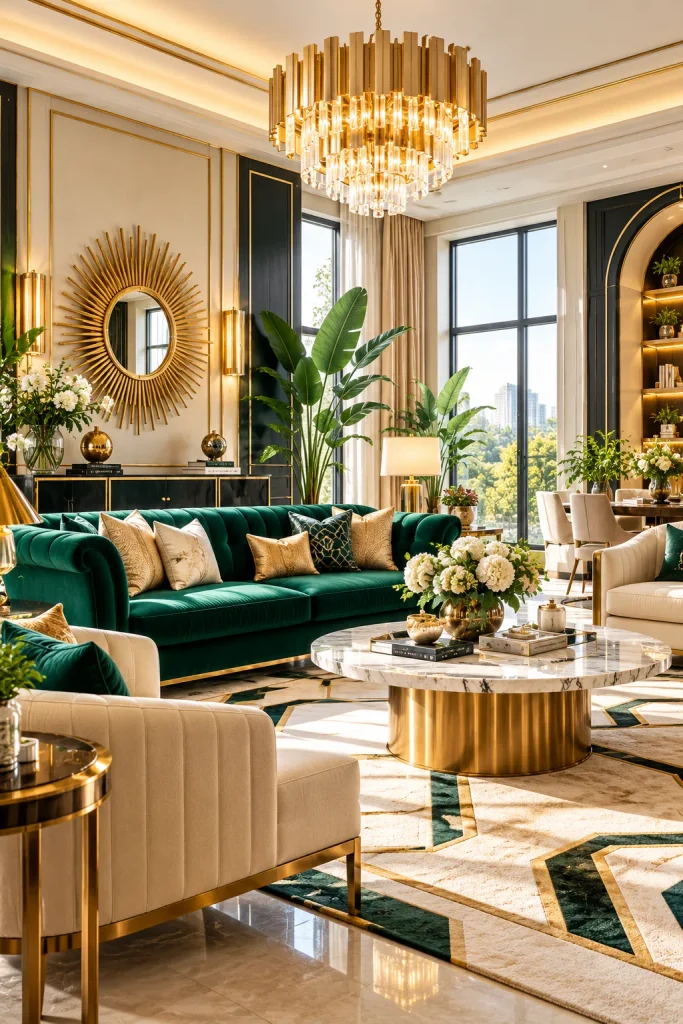
Art Deco is a glamorous and highly recognizable design style associated with the 1920s and 1930s. It combines geometric forms, symmetry, rich materials, bold contrasts, and decorative details.
A Style Built Around Glamour and Geometry
Art Deco developed during a period of technological and cultural change. Its visual language reflected the optimism surrounding modern industry, transportation, architecture, and luxury.
In interiors, the style is associated with materials such as brass, chrome, marble, lacquer, mirrored glass, rich wood, and velvet.
Core Characteristics of Art Deco
Bold Geometry
Look for fan shapes, sunburst patterns, stepped forms, chevrons, arches, and strong geometric lines.
High-Contrast Colors
Classic combinations include black, white, cream, and metallic gold, often enhanced with emerald, sapphire, ruby, or other rich jewel tones.
Luxury Materials
Velvet, marble, brass, chrome, lacquered wood, glass, and mirrored surfaces can immediately introduce an Art Deco feeling.
Symmetry
Matching lamps, balanced furniture arrangements, and symmetrical wall decor help create the polished appearance associated with the style.
Statement Lighting
Chandeliers, globe lights, stepped sconces, and decorative pendants can act as jewelry for the room.
How to Bring Art Deco Into a Modern Home
You don’t need to recreate an entire 1920s interior.
Start with one or two strong elements, such as a geometric rug, fluted furniture, a decorative mirror, brass lighting, or a velvet chair.
For example, a jewel-toned sofa can work with a marble coffee table, brass accents, and restrained wall decor without making the entire room feel like a period recreation.
Pros and Cons of Art Deco
Pros: Strong visual identity, sophisticated appearance, excellent use of pattern and symmetry, and flexibility in both large and small spaces.
Cons: Too many decorative elements can make a room feel overly formal, mirrored and glossy surfaces require regular cleaning, and authentic vintage pieces can be expensive.
Who Is Art Deco Best For?
Art Deco suits people who enjoy polished interiors, decorative details, symmetry, rich materials, and a more formal atmosphere.
Neo Deco Interior Design

Neo Deco takes inspiration from Art Deco but interprets it through a more contemporary and comfortable lens.
Instead of recreating a historic interior, it uses selected elements of Deco design alongside modern furniture, warmer colors, softer shapes, and practical materials.
How Neo Deco Differs From Classic Art Deco
Classic Art Deco often emphasizes strong geometric contrast, symmetry, and recognizable period motifs.
Neo Deco keeps the glamour and geometry but relaxes the formula. Rounded furniture, warm wood, richer neutrals, mixed metals, and contemporary silhouettes can make the look feel more natural in today’s homes.
Core Characteristics of Neo Deco
Warm and Moody Colors
Chocolate brown, camel, warm beige, ochre, smoky green, deep blue, and muted jewel tones work particularly well.
Softer Geometry
Curved sofas, rounded mirrors, scalloped details, arches, and gently shaped furniture can soften traditional Deco geometry.
Tactile Luxury
Velvet, leather, textured wood, stone, glass, and brushed metals add richness without requiring excessive decoration.
Mixed Metals
Brass, bronze, chrome, and other metal finishes can be combined thoughtfully rather than matching every finish in the room.
Sculptural Lighting
Choose lighting that feels decorative but still fits comfortably within a contemporary home.
Neo Deco Room-by-Room Ideas
Living Room
Try a curved sofa, fluted wood console, sculptural lamp, textured rug, and a restrained combination of brass and glass.
Dining Room
Use curved or scalloped chairs, a rounded or oval table, a patterned rug, and a statement pendant.
Bedroom
A curved headboard, ribbed nightstands, warm neutral walls, and rich bedding can create a comfortable neo deco atmosphere.
Powder Room
A geometric mirror, patterned tile, warm metal fixtures, and a decorative wall light can provide a strong Deco influence without overwhelming the small space.
Pros and Cons of Neo Deco
Pros: Glamorous but comfortable, adaptable to contemporary homes, easier to soften than traditional Art Deco, and suitable for layering with natural materials.
Cons: Without careful editing, it can become generic glam. Too many geometric patterns and decorative details can also make the room feel themed rather than sophisticated.
Who Is Neo Deco Best For?
Neo deco is a natural choice for people who love the elegance of Art Deco but want something warmer, softer, and easier to live with every day.
Eclectic Interior Design
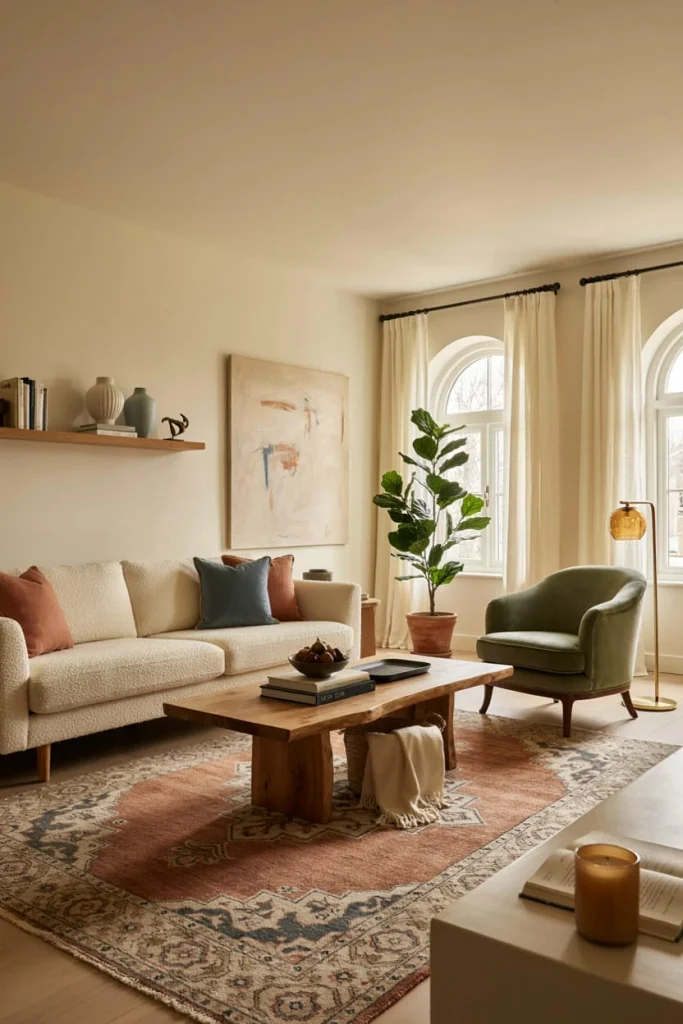
Eclectic interior design brings together furniture, colors, patterns, materials, and influences from different periods and styles.
The key is not randomness. A successful eclectic room has enough visual variety to feel personal while still having enough repetition and balance to feel intentional.
Eclectic Does Not Mean Random
A mid-century chair, antique rug, modern sofa, and contemporary artwork can work together when they share a visual connection.
That connection might come from color, material, shape, scale, or repeated decorative details.
Without that connection, the room can quickly become cluttered.
Core Principles of Eclectic Design
Create a Unifying Color Palette
Choose two to four main colors and repeat them throughout the room.
Balance Scale
Combine large and small pieces instead of filling the room with furniture of the same visual weight.
Choose a Dominant Influence
It can help to let one style lead while using other styles as supporting elements.
Repeat Materials or Shapes
Repeated wood tones, black metal, brass, curved forms, or similar patterns can visually connect otherwise different pieces.
Edit the Room
Eclectic design still needs restraint. If every surface is filled, individual objects lose their impact.
How to Start an Eclectic Room
- Choose an anchor piece such as a rug, artwork, heirloom, or favorite chair.
- Build your color palette around that piece.
- Keep major furniture relatively simple.
- Add vintage, handmade, or unexpected pieces gradually.
- Step back regularly and remove anything that does not contribute to the overall room.
Pros and Cons of Eclectic Design
Pros: Highly personal, flexible, forgiving of existing furniture, and easy to develop gradually.
Cons: Can become visually chaotic, may take longer to complete, and often requires more editing than a coordinated furniture set.
Who Is Eclectic Design Best For?
Eclectic design is especially suitable for people who collect objects over time, enjoy vintage shopping, travel, inherit furniture, or want to combine different tastes within the same home.
Grunge Interior Design
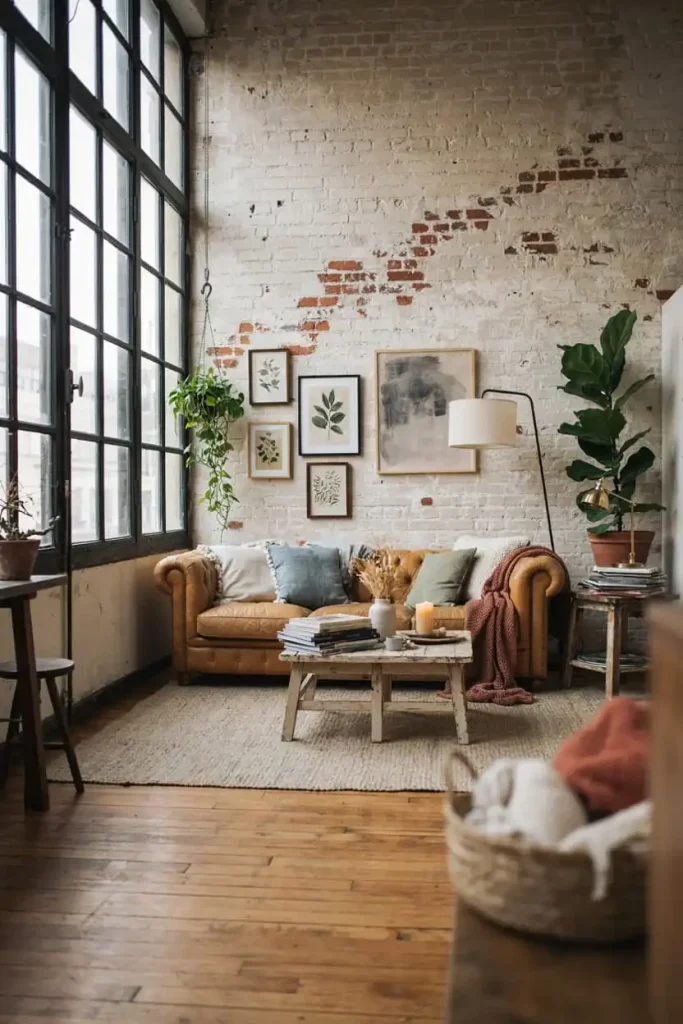
Grunge interior design brings the raw, relaxed, and imperfect character associated with 1990s grunge culture into the home.
It relies on worn textures, darker colors, vintage furniture, exposed materials, and an atmosphere that feels lived-in rather than showroom-perfect.
Where the Grunge Look Comes From
The interior interpretation of grunge draws inspiration from the music and fashion culture of the 1990s, particularly the visual language associated with Seattle’s grunge scene.
That influence appears through worn leather, denim, flannel, distressed wood, vintage artwork, dark colors, and secondhand furniture.
Core Characteristics of Grunge Interiors
Distressed Textures
Worn leather, aged wood, faded rugs, exposed brick, and weathered finishes give the room character.
Moody Colors
Charcoal, olive, rust, faded black, brown, and deep plum work well together.
Mixed Metals
Blackened steel, iron, aged brass, and other less-polished finishes suit the imperfect character of the style.
Layered Textiles
Denim, flannel, textured throws, vintage rugs, and mismatched cushions can create a comfortable layered effect.
Exposed Features
Pipes, raw plaster, brick, and unfinished-looking surfaces can become visual features when used intentionally.
How to Make Grunge Look Intentional
The difference between grunge and a neglected room is intentionality.
Choose furniture that looks aged but remains structurally sound. Keep the color palette controlled and balance worn elements with a few substantial, well-designed pieces.
A room can look relaxed and imperfect without being dirty, disorganized, or poorly maintained.
Pros and Cons of Grunge Design
Pros: Forgiving of everyday wear, well suited to secondhand furniture, relatively budget-friendly, and naturally comfortable.
Cons: Dark colors can make poorly lit rooms feel smaller, the style has a strong visual personality, and too many distressed elements can make a space feel unfinished.
Who Is Grunge Best For?
Grunge works well for people who enjoy vintage finds, secondhand furniture, darker colors, music-inspired interiors, and spaces that feel collected rather than perfectly coordinated.
Whimsigoth Interior Design
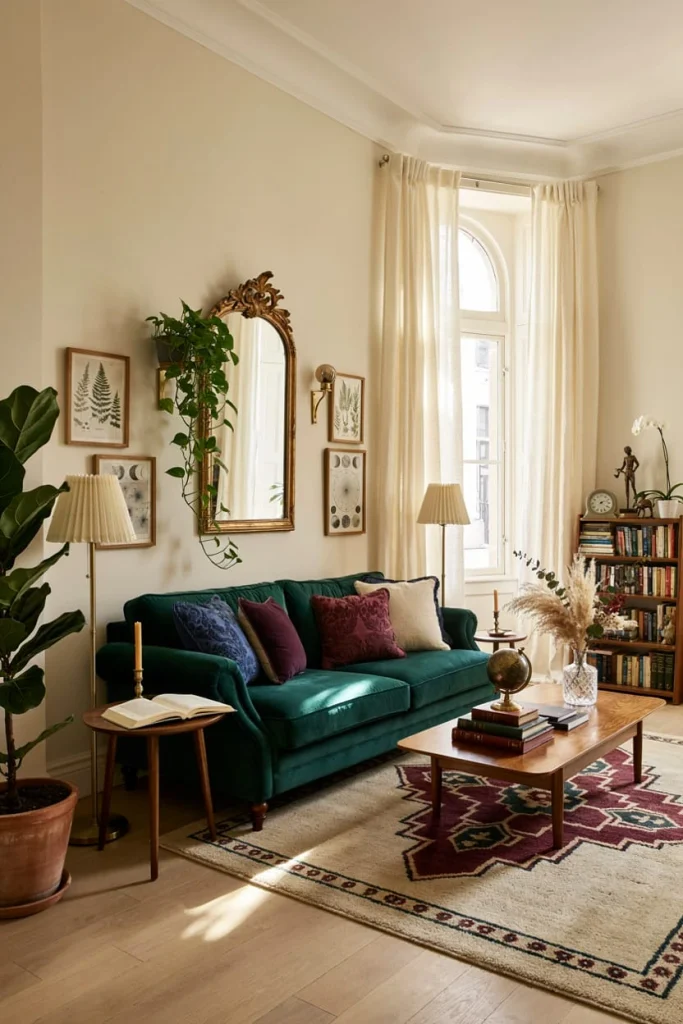
Whimsigoth combines the drama of gothic interiors with playful, colorful, mystical, and vintage-inspired details.
Instead of creating a purely dark or formal gothic room, whimsigoth uses deep colors, rich fabrics, celestial motifs, unusual objects, plants, and collected furniture to create a cozy atmosphere with personality.
What Defines Whimsigoth Style?
Whimsigoth is often associated with the visual world of late-20th-century interiors, vintage decorating, mystical motifs, and the dramatic yet comfortable atmosphere seen in popular culture from the era.
The style works best when the room feels mysterious and expressive without becoming overly themed.
Core Characteristics of Whimsigoth
Dark, Saturated Colors
Plum, emerald, sapphire, burgundy, deep teal, charcoal, and dark brown can create the foundation.
Metallic Accents
Brass, antique gold, copper, and silver can add contrast and warmth.
Celestial and Botanical Motifs
Stars, moons, botanical prints, ornate mirrors, mystical artwork, and vintage-inspired patterns can reinforce the look.
Rich Textiles
Velvet, lace, brocade, linen, and sheer fabrics create depth and softness.
Collected Furniture
Mix vintage furniture with modern pieces instead of buying a complete matching set.
Whimsigoth Room-by-Room Ideas
Bedroom
Try a deep plum or charcoal accent wall, layered bedding, brass lighting, vintage artwork, and a few celestial decorative pieces.
Living Room
An emerald or sapphire sofa can become the focal point. Add botanical artwork, vintage mirrors, textured throws, and warm lamps.
Bathroom
Dark cabinetry, warm metal hardware, botanical wallpaper, and soft lighting can create a dramatic but comfortable atmosphere.
Home Office
Combine a vintage-inspired desk with dark walls, a decorative mirror, a small collection of books, plants, and a few carefully selected curiosities.
Pros and Cons of Whimsigoth
Pros: Highly personal, cozy despite its darker palette, excellent for vintage and secondhand furniture, and flexible enough to evolve.
Cons: Dark colors can overwhelm small or poorly lit rooms, maximalist decorating can quickly become cluttered, and very specific styling may not appeal to everyone.
Common Whimsigoth Mistakes
The biggest mistake is making everything dark.
Whimsigoth needs contrast. Warm lighting, jewel tones, metallic details, plants, lighter textiles, and playful decorative elements can prevent the room from feeling flat or overly gothic.
Another mistake is buying matching furniture. The collected, individual character of different pieces is part of what makes the style work.
Who Is Whimsigoth Best For?
Whimsigoth is ideal for people who enjoy dramatic colors, vintage furniture, cozy lighting, botanical or celestial details, and interiors with a strong sense of personality.
Style Comparison Table
| Style | Color Mood | Key Materials | Best Room to Start | Renter-Friendly? |
| Soft Brutalism | Warm neutrals, greige, charcoal | Concrete-look finishes, stone, boucle, wool, timber | Living room | Moderate to low |
| Art Deco | Black, white, gold, jewel tones | Brass, marble, velvet, glass, lacquer | Dining room | Moderate |
| Neo Deco | Chocolate, camel, ochre, rich neutrals | Velvet, leather, wood, mixed metals | Living room | High |
| Eclectic | Flexible, usually 2–4 core colors | Mixed materials and finishes | Any room | High |
| Grunge | Charcoal, olive, rust, faded black | Leather, denim, iron, worn wood | Living room or studio | High |
| Whimsigoth | Plum, emerald, sapphire, burgundy | Velvet, brass, lace, wood, glass | Bedroom | High |
Common Mistakes Across All Six Styles
Copying the Look Without Understanding the Feeling
A successful room is not simply a collection of colors and objects. Each style has a particular atmosphere.
Soft brutalism is architectural and calm. Art Deco is polished and glamorous. Neo deco is warm and sophisticated. Eclectic design is personal and collected. Grunge is relaxed and imperfect. Whimsigoth is dramatic, cozy, and playful.
Understanding that character makes decorating decisions much easier.
Buying Everything at Once
A room usually feels more authentic when it develops gradually.
Mix new purchases with existing furniture, vintage finds, artwork, textiles, and objects that have personal meaning.
Ignoring Lighting
Lighting can completely change how a room feels.
Warm bulbs, layered lamps, wall lights, floor lamps, and carefully placed accent lighting are particularly useful for darker styles and rooms with heavy materials.
Forgetting Scale
A beautiful piece can still look wrong if it is too large or too small for the room.
Measure furniture before purchasing it and leave enough space for comfortable movement.
Choosing Paint Without Testing It
Dark and complex colors can change dramatically throughout the day.
Test a large sample and observe it in morning, afternoon, and evening light before painting the entire room.
Budget-Friendly Ways to Test a Style Before Committing
Start With Textiles
Pillows, throws, curtains, bedding, and rugs can introduce a new color palette without requiring major changes.
Try Removable Wallpaper
Peel-and-stick wallpaper can be useful for experimenting with geometric, botanical, or celestial patterns in smaller areas.
Shop Secondhand
Thrift stores, estate sales, vintage markets, and online marketplaces can be especially useful for eclectic, grunge, and whimsigoth decorating.
Change One Light Fixture
A single statement pendant, floor lamp, or wall light can significantly change the atmosphere of a room.
Use Look-Alike Finishes
If you like the appearance of concrete or stone but aren’t ready for renovation, consider concrete-look surfaces, stone-look tiles, textured finishes, or removable decorative treatments.
Rearrange Before Buying
Sometimes the easiest way to test a style is to work with what you already own.
Move furniture, remove unnecessary accessories, change the lighting, and introduce textiles in your desired palette before spending money.
Frequently Asked Questions
What Is the Difference Between Art Deco and Neo Deco Interior Design?
Art Deco is a historical design movement associated with the 1920s and 1930s. It commonly features strong geometry, symmetry, luxury materials, and bold contrast.
Neo-deco takes inspiration from those characteristics but interprets them in a softer and more contemporary way through warmer colors, rounded furniture, mixed materials, and more relaxed styling.
Is Soft Brutalism the Same as Industrial Style?
No. Industrial design often emphasizes functional materials and features associated with factories, warehouses, and commercial spaces.
Soft brutalism focuses more strongly on architectural mass, raw surfaces, sculptural forms, and a balance between hard materials and soft textures.
Can Eclectic Interior Design Work in a Small Apartment?
Yes. Eclectic design can work very well in small spaces when it is carefully edited.
Use a limited color palette, choose furniture that fits the room, and prioritize a few distinctive pieces instead of filling every available surface.
Is Whimsigoth Too Dark for a Small Bedroom?
It doesn’t have to be.
Instead of painting every wall a very dark color, try one accent wall, warm lighting, lighter bedding, reflective surfaces, and jewel-toned accessories.
Which Style Is Easiest to Try Without Renovating?
Eclectic, grunge, and whimsigoth are particularly easy to experiment with because furniture, textiles, lighting, artwork, and accessories can create much of the look.
Neo deco can also be introduced gradually through curved furniture, rich fabrics, and statement lighting.
Does Grunge Interior Design Mean the Home Has to Look Messy?
No.
Grunge is about texture, character, and an intentionally imperfect appearance. The room can still be clean, organized, and functional.
What Colors Define Neo Deco?
Neo Deco often works well with warm neutrals and richer tones such as chocolate brown, camel, ochre, deep green, burgundy, navy, and other muted jewel tones.
Can Soft Brutalism and Art Deco Work Together?
Yes.
You can combine the two by using architectural materials and simple forms from soft brutalism alongside selected Art Deco details such as brass lighting, geometric artwork, velvet furniture, or decorative mirrors.
The key is to repeat a few colors and materials so the rooms feel connected.
How Do I Keep an Eclectic Room From Looking Cluttered?
Limit the main color palette, repeat a few materials or shapes, balance furniture sizes, and regularly remove pieces that no longer contribute to the room.
Eclectic design benefits from variety, but variety works best when there is still visual structure.
Is Whimsigoth Just Another Name for Gothic Decor?
Not exactly.
Traditional gothic interiors often emphasize darker colors, historical or architectural details, and a more formal atmosphere. Whimsigoth generally introduces more color, softness, vintage variety, botanical elements, and playful or mystical details.
What Plants Work Well With Soft Brutalism?
Large plants such as monstera, fiddle-leaf figs, birds of paradise, and other substantial leafy plants can provide contrast against concrete, stone, and other hard surfaces.
Trailing plants can also soften shelves and architectural edges.
Is Neo Deco Expensive to Achieve?
It doesn’t have to be.
You can introduce the look through smaller changes such as curved furniture, velvet cushions, warm lighting, decorative mirrors, textured curtains, or one statement piece instead of renovating the entire room.
What Is the Biggest Difference Between Grunge and Soft Brutalism?
Both can use raw and imperfect materials, but their visual goals are different.
Grunge emphasizes lived-in texture, vintage influences, layered patterns, and a relaxed atmosphere. Soft brutalism is more architectural, restrained, and focused on the visual weight of materials such as concrete, stone, timber, and metal.
Do These Styles Work in Open-Concept Homes?
Yes.
In an open layout, use a few elements to connect different areas. A repeated wood tone, flooring material, metal finish, or color can create continuity while allowing each zone to have its own personality.
What Should I Do If I Like More Than One Style?
Start with the room you use most and identify the atmosphere you want that room to create.
You don’t have to choose one style for your entire home. A home can combine several influences successfully when colors, materials, lighting, and furniture proportions create a consistent visual connection.
Final Takeaways
There is no single interior design style that works for every home. The best choice depends on your architecture, lifestyle, budget, maintenance preferences, and the atmosphere you want to create.
Soft brutalism brings architectural strength and warm minimalism together.
Art Deco adds geometry, symmetry, glamour, and luxurious materials.
Neo deco takes those glamorous elements and makes them softer and more contemporary.
Eclectic design allows different eras and influences to come together around a clear visual thread.
Grunge embraces worn textures, darker colors, vintage character, and a relaxed atmosphere.
Whimsigoth combines dramatic colors and gothic influences with cozy textiles, vintage pieces, and playful details.
You don’t need to completely redesign your home to discover which direction works for you. Start small with a rug, lamp, cushion, artwork, paint sample, or secondhand furniture piece.
Live with the change for a while. See how it works with your daily routine, lighting, existing furniture, and available space.
The strongest interiors are rarely created by following a trend piece by piece. They come from choosing a feeling, understanding what makes that feeling work, and then selecting colors, materials, furniture, and accessories that support it.
Start with one room, experiment gradually, and let your home’s style develop naturally over time.
One Comment