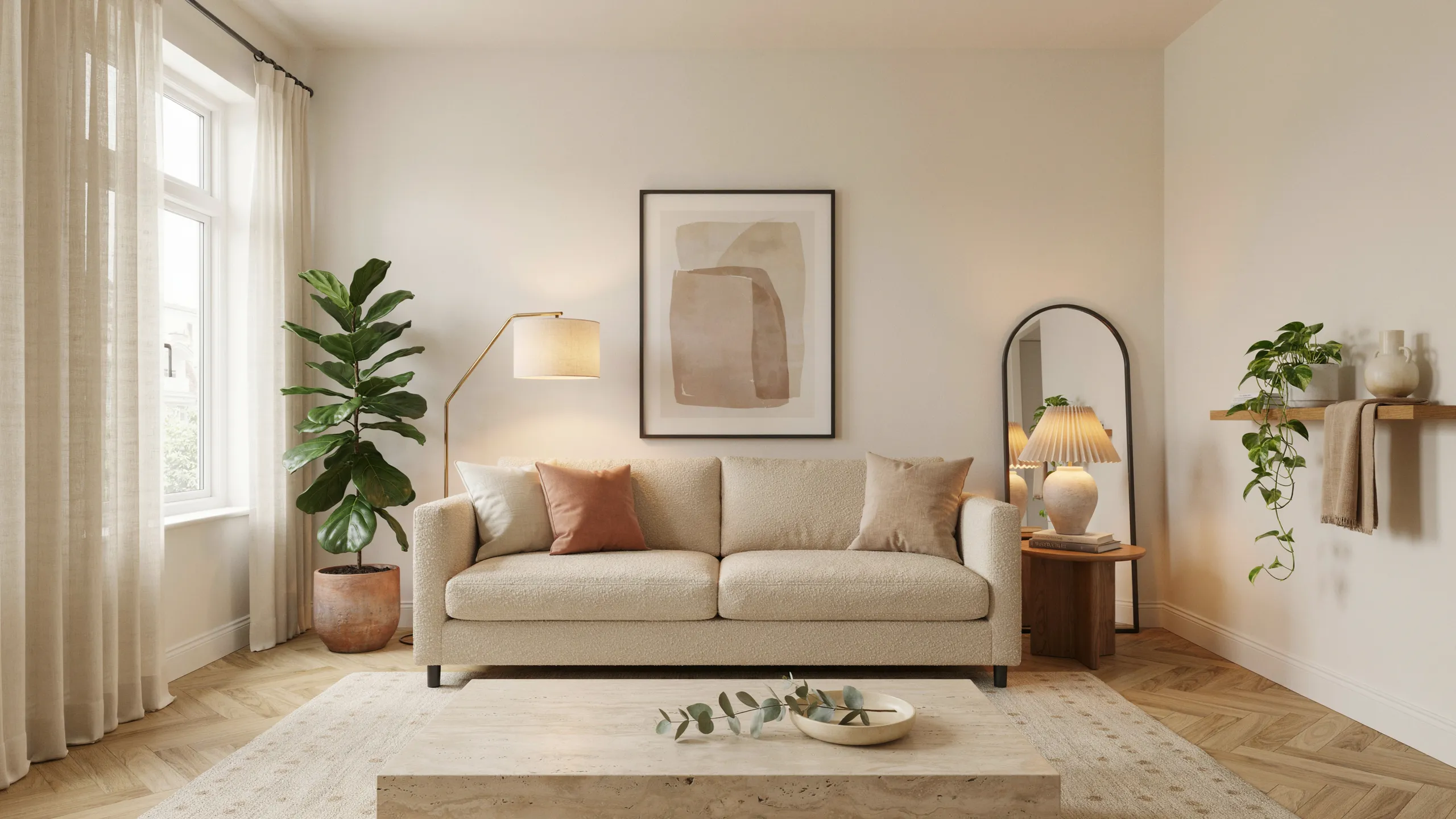
18 Best Budget Home Decor Ideas That Look Expensive
A beautiful home doesn’t have to cost thousands of dollars.
In fact, some of the most stylish homes are decorated on surprisingly small budgets. The difference isn’t always expensive furniture or luxury brands it’s thoughtful design, smart planning, and knowing where to spend and where to save.
Whether you’re decorating your first apartment, refreshing an older home, or simply trying to make your space feel more inviting, you don’t need a massive budget to achieve a designer-inspired look.
This guide covers 18 of the best budget home decor ideas that can make your home look more polished and expensive without overspending. You’ll also discover room-by-room decorating tips, DIY upgrades, renter-friendly solutions, shopping strategies, and common decorating mistakes to avoid.
Why Expensive-Looking Homes Don’t Always Cost More
Many people assume luxury interiors require luxury budgets. In reality, a high-end-looking room often depends more on how everything works together than on the price of individual items.
A polished room usually has:
- A consistent color palette
- Balanced furniture placement
- Layered lighting
- Quality-looking textures
- Minimal clutter
- Proper room proportions
- Carefully selected accessories
Notice what’s missing?
Expensive furniture.
A room filled with thoughtfully selected affordable pieces can look far more sophisticated than a room filled with random expensive purchases.
That’s why smart decorating can make a bigger difference than simply spending more money.
Before Buying Anything, Follow These 7 Budget Decorating Rules
Before exploring the best budget home decor ideas, establish a simple plan for your space.
1. Choose One Decorating Style
Instead of mixing everything, choose one primary style:
- Modern
- Minimalist
- Scandinavian
- Farmhouse
- Coastal
- Traditional
- Boho
- Contemporary
When your purchases follow a consistent style, the entire room feels more cohesive.
2. Build a Color Palette
Choose:
- 2 primary colors
- 1 secondary color
- 1 accent color
Repeating these colors throughout the room creates visual harmony.
3. Measure Everything
Before buying furniture or large decor pieces, measure:
- Wall width
- Window height
- Floor space
- Sofa area
- Rug placement
- Doorways and entryways
This helps prevent expensive mistakes.
4. Create a Budget for Each Room
Instead of spending randomly, decide how much you’re comfortable spending in each space.
For example:
| Room | Example Budget |
| Living Room | $150 |
| Bedroom | $120 |
| Kitchen | $80 |
| Bathroom | $60 |
| Entryway | $40 |
The exact amount matters less than having a plan.
5. Shop Your Own Home First
Before buying new decorations:
- Move lamps between rooms.
- Swap artwork.
- Rearrange pillows.
- Repurpose baskets.
- Move side tables.
- Rearrange furniture.
You may already own items that can completely change a room’s appearance.
6. Prioritize High-Impact Upgrades
Focus your budget on changes that create a noticeable difference:
- Paint
- Lighting
- Curtains
- Rugs
- Throw pillows
- Cabinet hardware
- Mirrors
These upgrades can dramatically change the appearance of a room.
7. Avoid Impulse Purchases
Before purchasing a decor item, ask:
- Does it match my color palette?
- Do I actually need it?
- Will I still like it next year?
- Does it solve a decorating problem?
If not, consider skipping it.
18 Best Budget Home Decor Ideas That Look Expensive
1. Layer Your Lighting
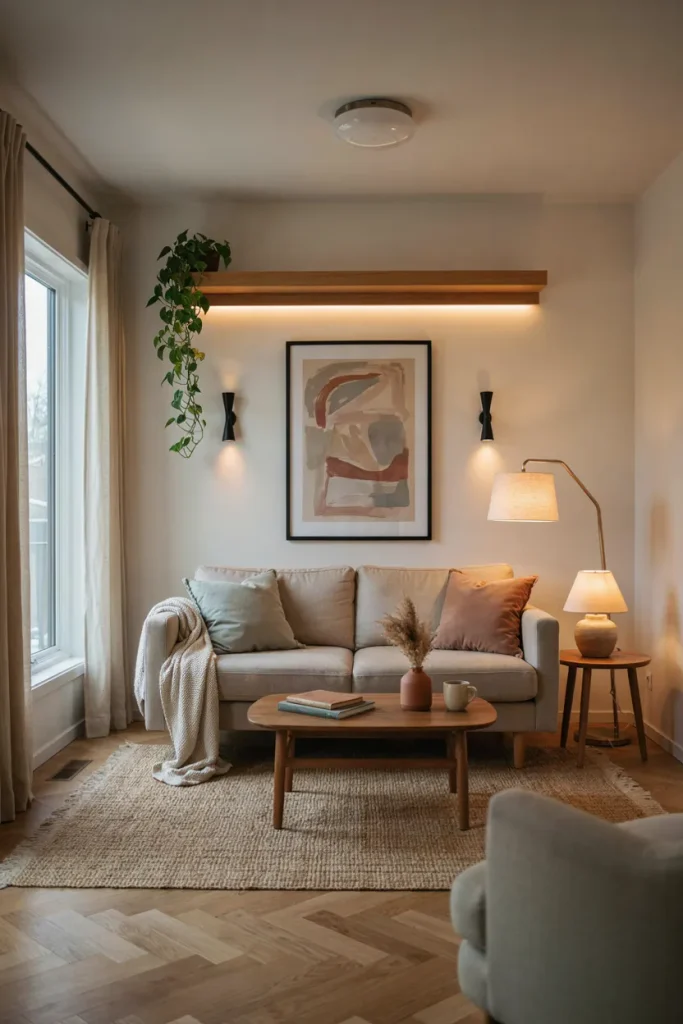
Lighting is one of the easiest ways to make an ordinary room feel more sophisticated.
Instead of relying only on a ceiling fixture, combine:
- Floor lamps
- Table lamps
- Wall sconces
- LED accent lighting
- Warm white bulbs
Using multiple light sources creates depth and warmth.
For a cozy atmosphere, warm white bulbs around 2700K–3000K can work well in living rooms and bedrooms.
2. Declutter Every Visible Surface
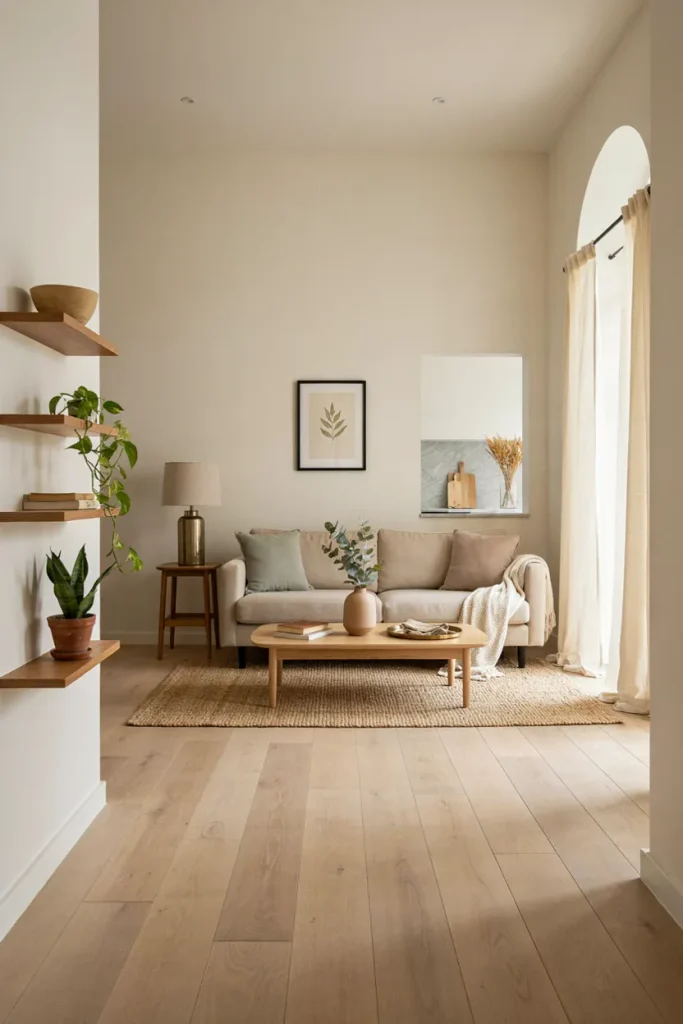
One of the cheapest ways to make a home look better is to remove unnecessary items.
Clear clutter from:
- Coffee tables
- Kitchen counters
- Nightstands
- Bathroom sinks
- Open shelves
Keep only a few intentional decorative pieces.
A clean and organized room often looks more sophisticated than a room filled with inexpensive decorations.
3. Upgrade Your Throw Pillows
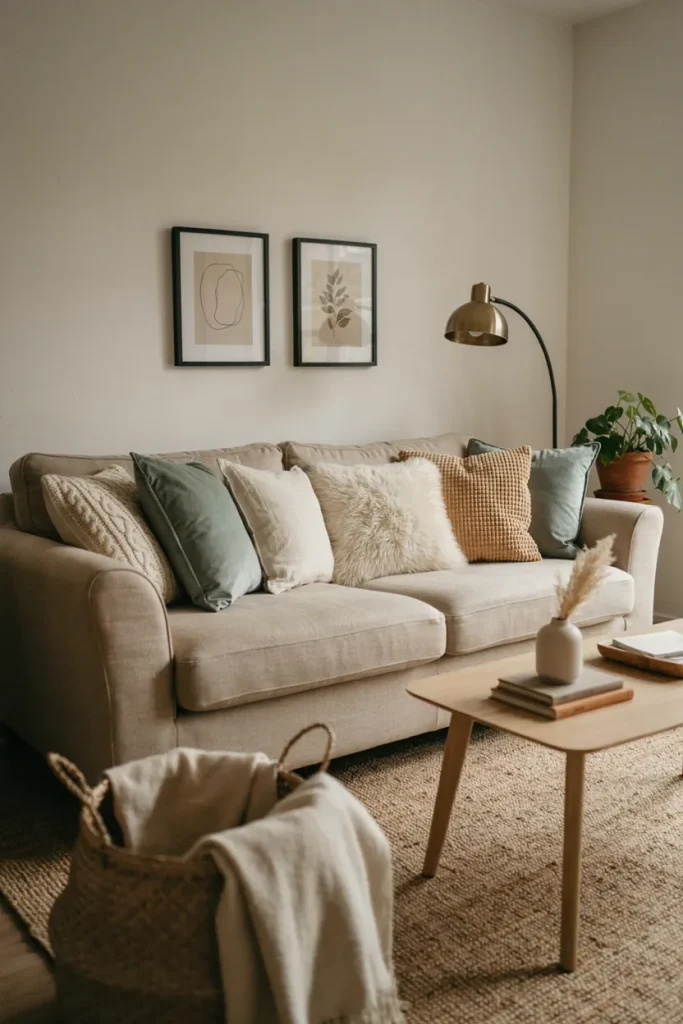
Throw pillows are an affordable way to introduce color and texture.
Instead of buying lots of pillows, choose a few that coordinate with your existing furniture.
Mix textures such as:
- Velvet
- Linen
- Cotton
- Knit
- Faux fur
Keep the colors connected to your overall palette for a more polished appearance.
4. Hang Curtains Higher and Wider
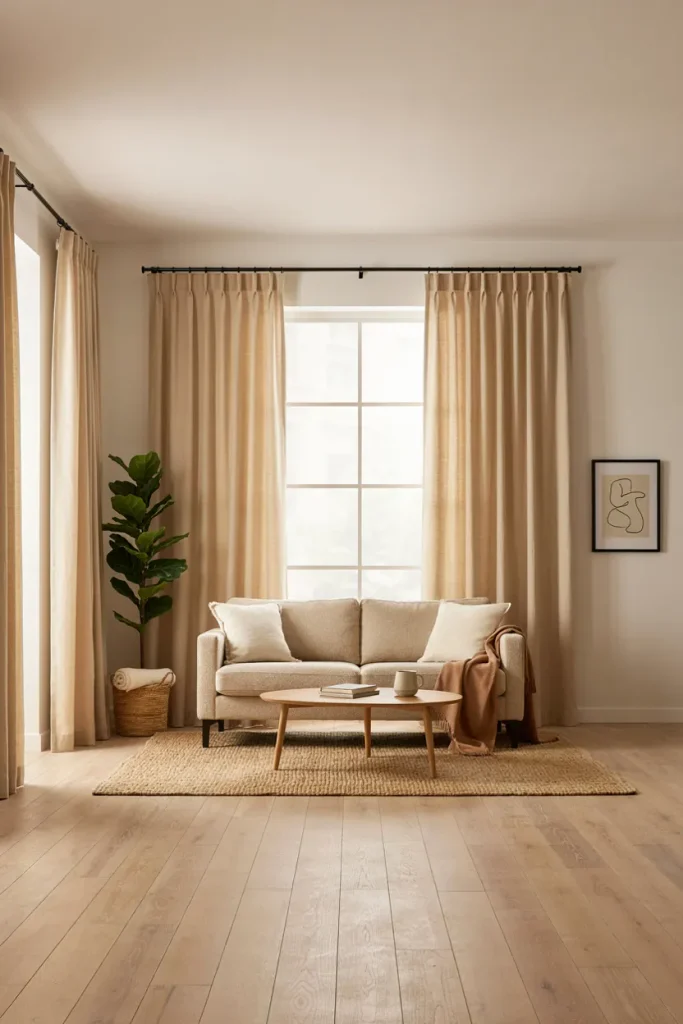
Curtains can change the proportions of a room.
Instead of mounting the curtain rod directly above the window, consider placing it several inches higher and extending it beyond the window frame.
This can create the visual impression of:
- Higher ceilings
- Larger windows
- A more spacious room
Choose simple curtains that complement the room rather than overpowering it.
5. Add One Oversized Piece of Wall Art
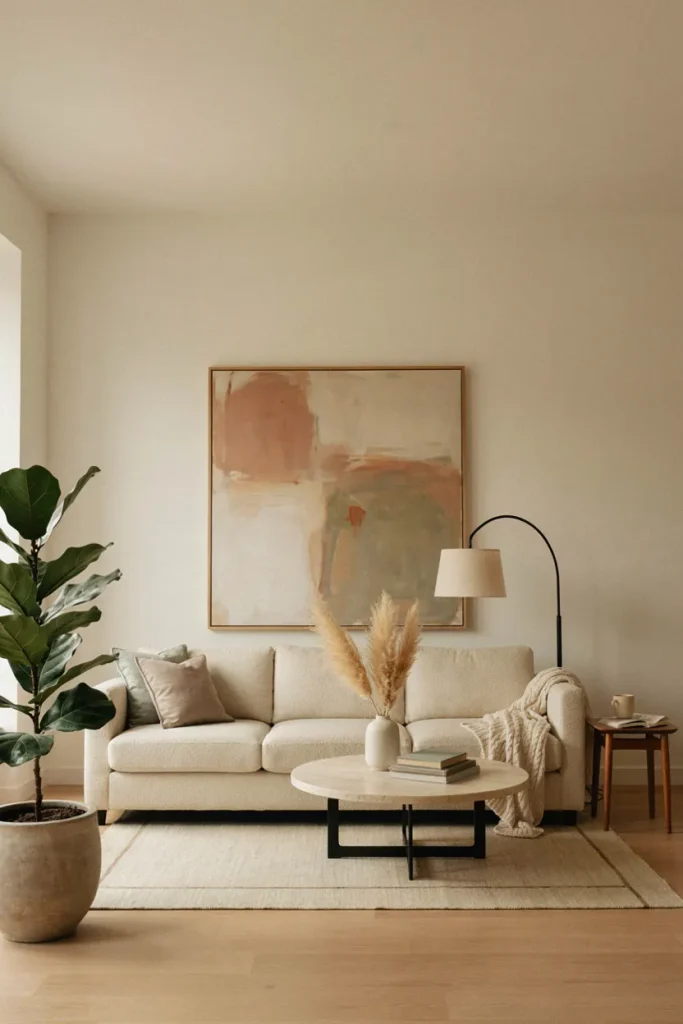
Instead of filling every wall with small decorations, consider using one large statement piece.
Oversized artwork can create a strong focal point and make a room feel intentionally designed.
You can find affordable artwork through:
- Thrift stores
- Printable art
- Local artists
- Clearance sections
- Secondhand marketplaces
6. Use Large Mirrors to Reflect Light
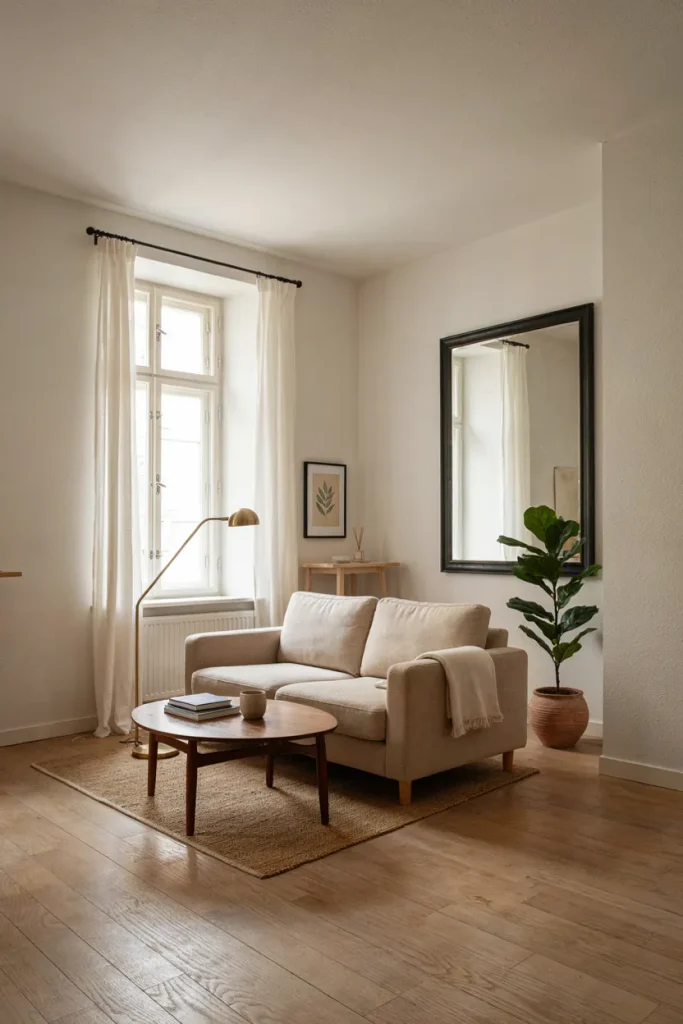
Mirrors are especially useful in small or darker rooms.
Place a large mirror opposite or near a window to reflect natural light.
Mirrors work particularly well in:
- Entryways
- Dining rooms
- Living rooms
- Narrow hallways
- Small apartments
A simple black, wooden, or metallic frame can complement many decorating styles.
7. Replace Old Cabinet Hardware
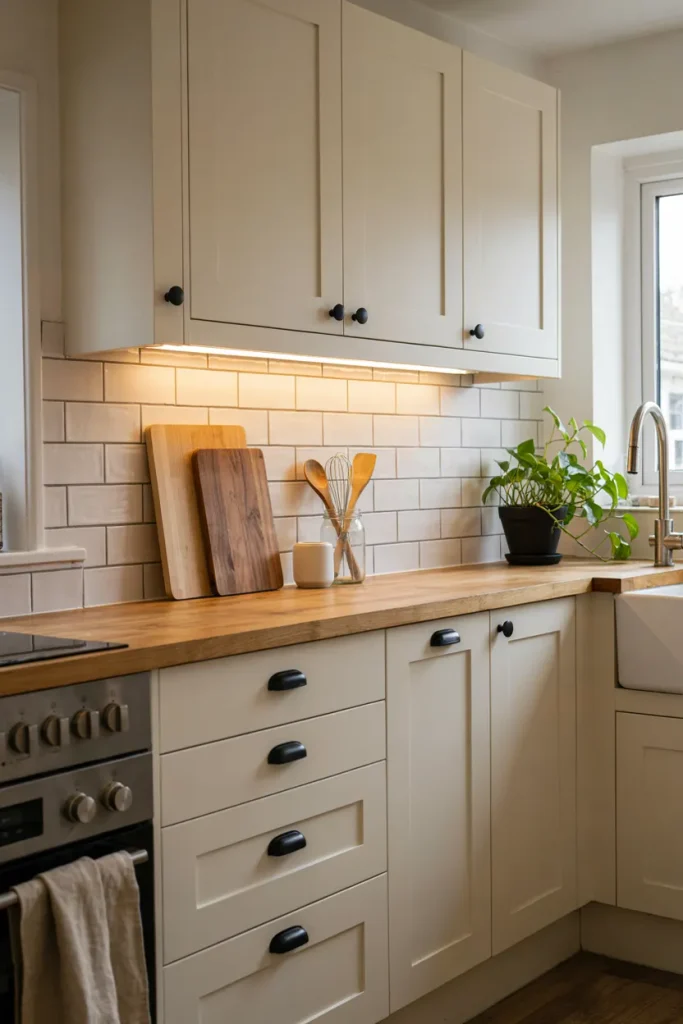
You don’t always need to replace cabinets to refresh a kitchen or bathroom.
Replacing old knobs and drawer pulls can make cabinets feel newer.
This idea can also work for:
- Bathroom vanities
- Dressers
- Nightstands
- Storage cabinets
Choose finishes such as matte black, brushed brass, or satin nickel according to your room’s style.
8. Style Shelves With Intention
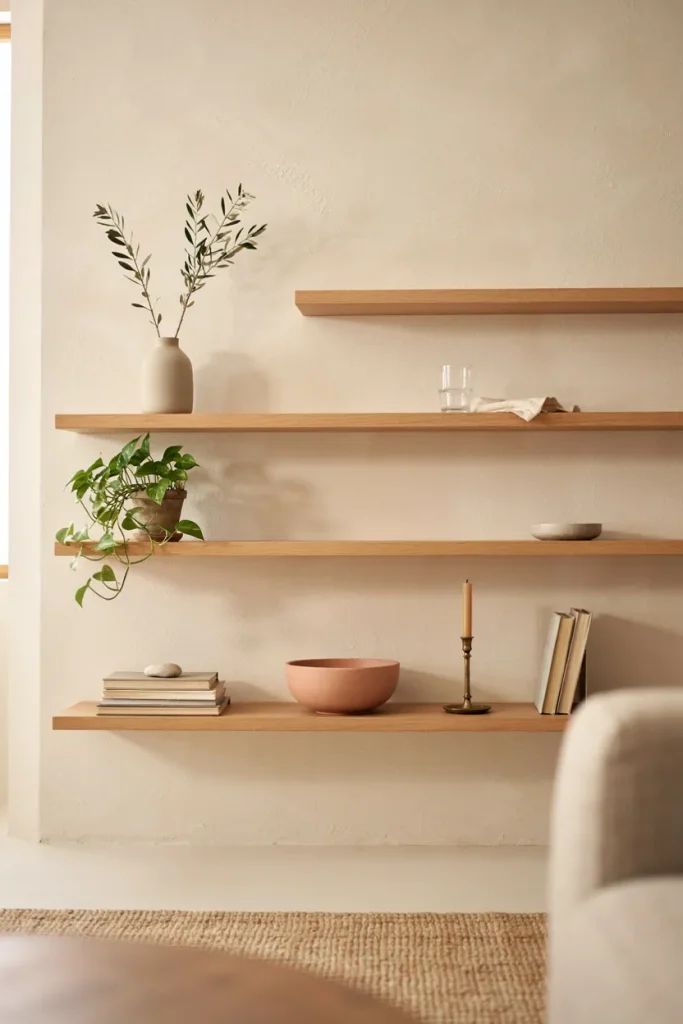
Open shelves can easily become cluttered.
A simple approach is to combine objects of different heights and textures.
For example:
- One tall object
- One medium object
- One small decorative item
Mix materials such as wood, ceramic, glass, and greenery.
Most importantly, leave some space. Shelves don’t need to be full to look finished.
9. Add Indoor Plants and Greenery
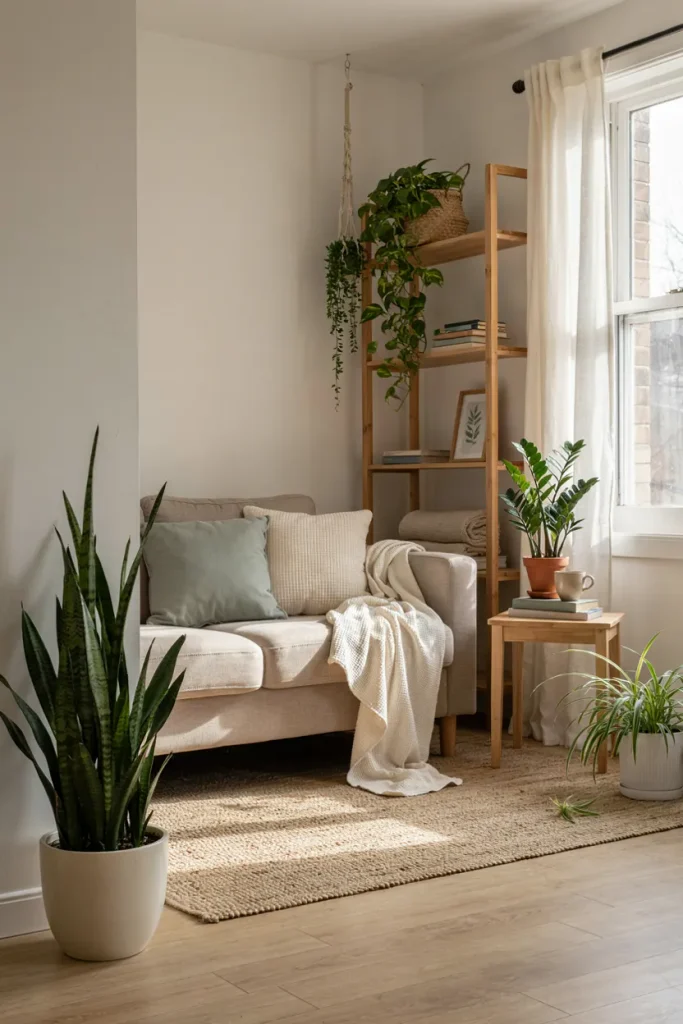
Plants can add life, texture, and color to almost any room.
Budget-friendly options include:
- Snake plants
- Pothos
- ZZ plants
- Spider plants
- Peace lilies
If maintaining real plants isn’t practical, realistic faux greenery can also work.
Place plants in simple ceramic pots or woven baskets for a more finished appearance.
10. Upgrade Your Bedding
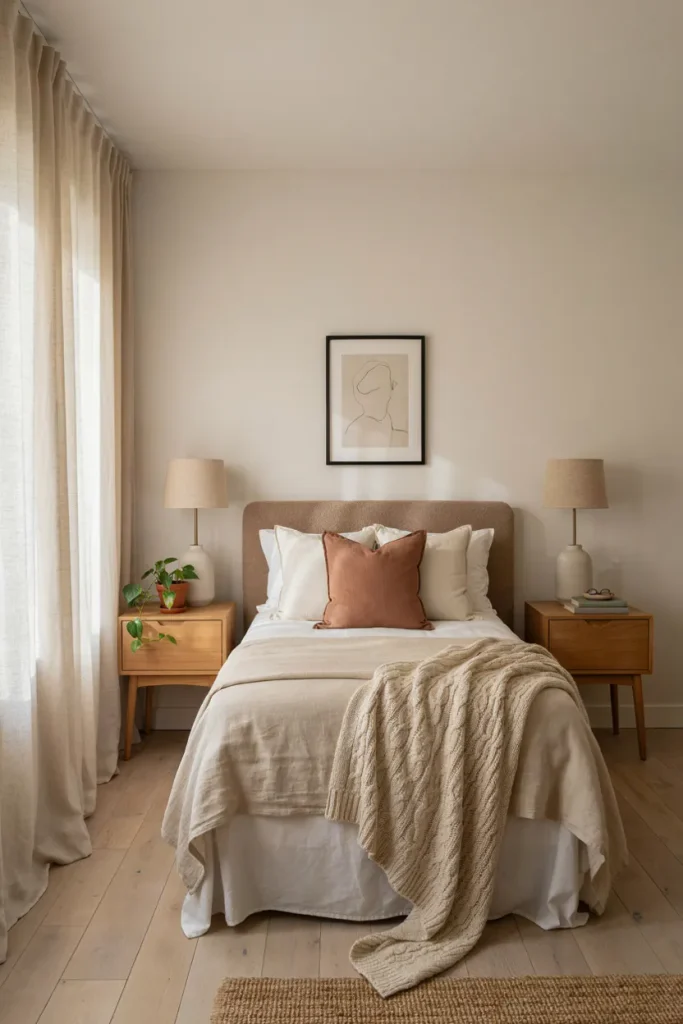
The bed is usually the largest visual element in a bedroom, so improving it can have a significant effect.
Consider:
- Crisp sheets
- Layered pillows
- A textured duvet
- A knitted throw
- A decorative lumbar pillow
You don’t need an expensive bedroom set. A well-made bed with coordinated textiles can make the entire room feel calmer and more polished.
11. Create a Stylish Living Room Focal Point
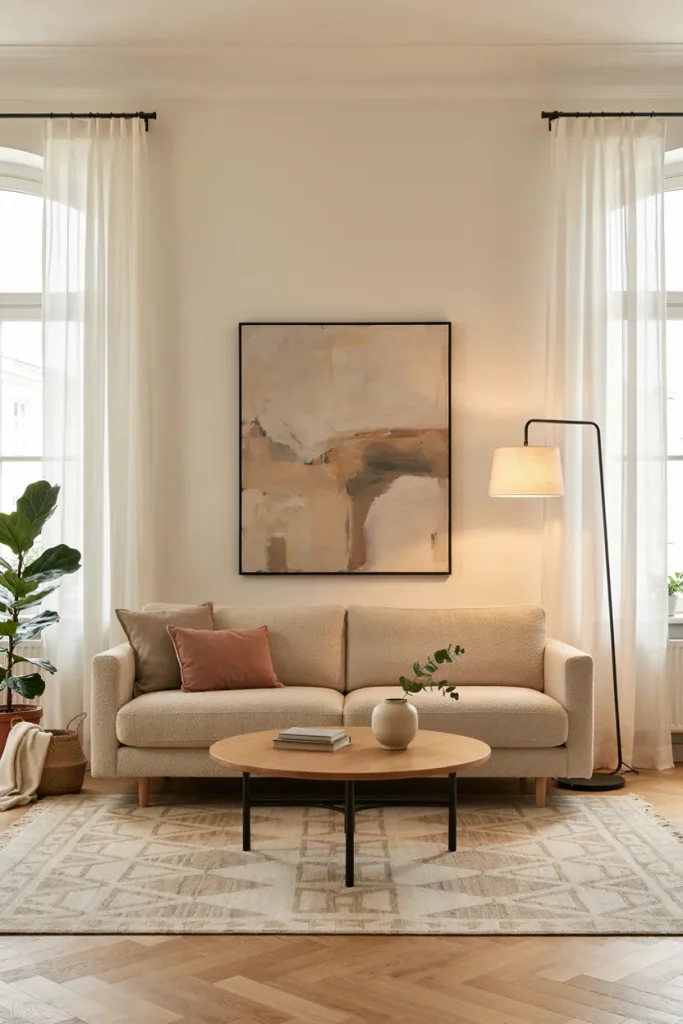
Your living room doesn’t need dozens of accessories.
Instead, create one or two clear focal points.
You could combine:
- A large rug
- A statement artwork
- A coffee table
- Coordinated pillows
- A floor lamp
- A decorative plant
Arrange furniture so that the room feels balanced and conversation-friendly.
12. Make Your Kitchen Look More Organized
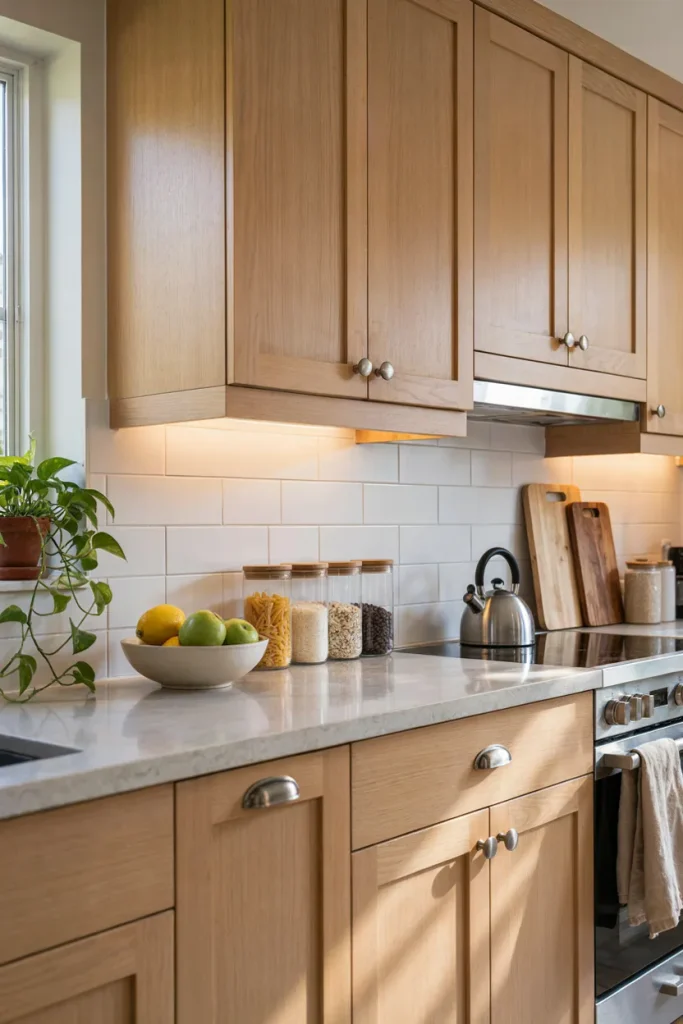
Small kitchen improvements can make a major visual difference.
Try:
- Decluttering countertops
- Displaying attractive wooden cutting boards
- Using matching storage jars
- Adding under-cabinet LED lighting
- Replacing cabinet hardware
- Using a decorative fruit bowl
The goal is to make useful items look intentional rather than randomly placed.
13. Give Your Bathroom a Simple Luxury Refresh
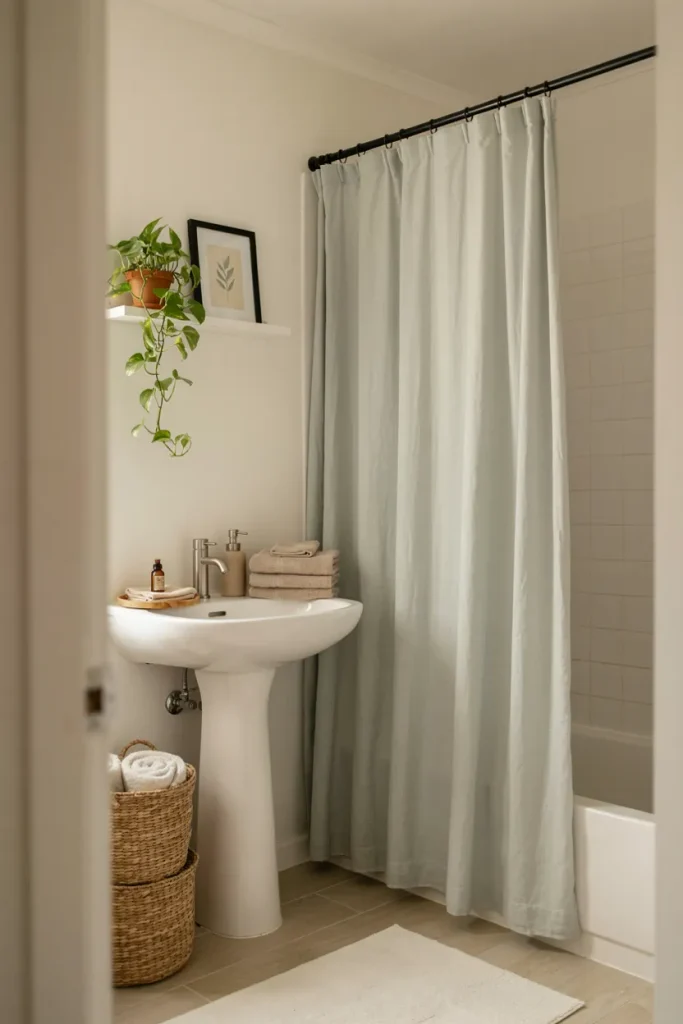
You don’t need a complete bathroom renovation to make it feel more polished.
Try adding:
- Matching towels
- A stylish soap dispenser
- A wooden tray
- A small plant
- A new shower curtain
- Coordinated storage baskets
Keeping surfaces clean and organized is often more impactful than adding more decorations.
14. Upgrade Your Entryway
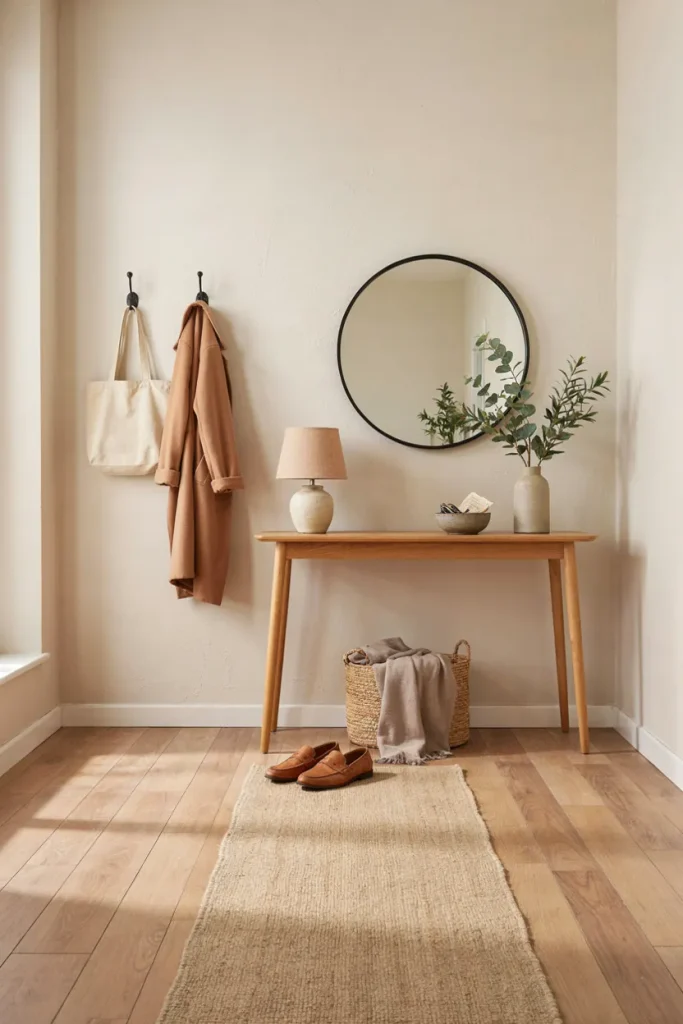
Your entryway creates the first impression of your home.
A few inexpensive additions can make it more functional and attractive:
- Wall mirror
- Narrow console table
- Storage basket
- Coat hooks
- Runner rug
- Small lamp
- Vase with greenery
Even a small entryway can feel welcoming when it is organized and thoughtfully decorated.
15. Refresh Old Furniture With DIY Projects
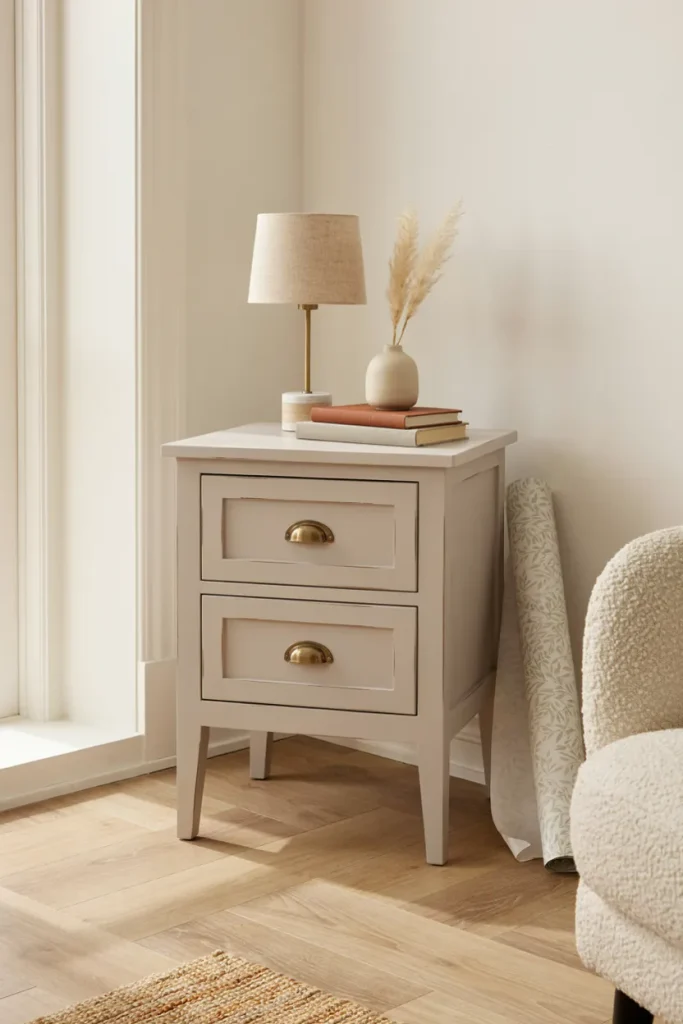
Before replacing old furniture, consider whether it can be refreshed.
Affordable DIY options include:
- Painting old furniture
- Replacing drawer hardware
- Adding new legs
- Changing lampshades
- Refinishing wooden surfaces
- Adding removable wallpaper to furniture
A simple makeover can give an old piece a completely different appearance.
16. Shop Secondhand and Clearance Sections
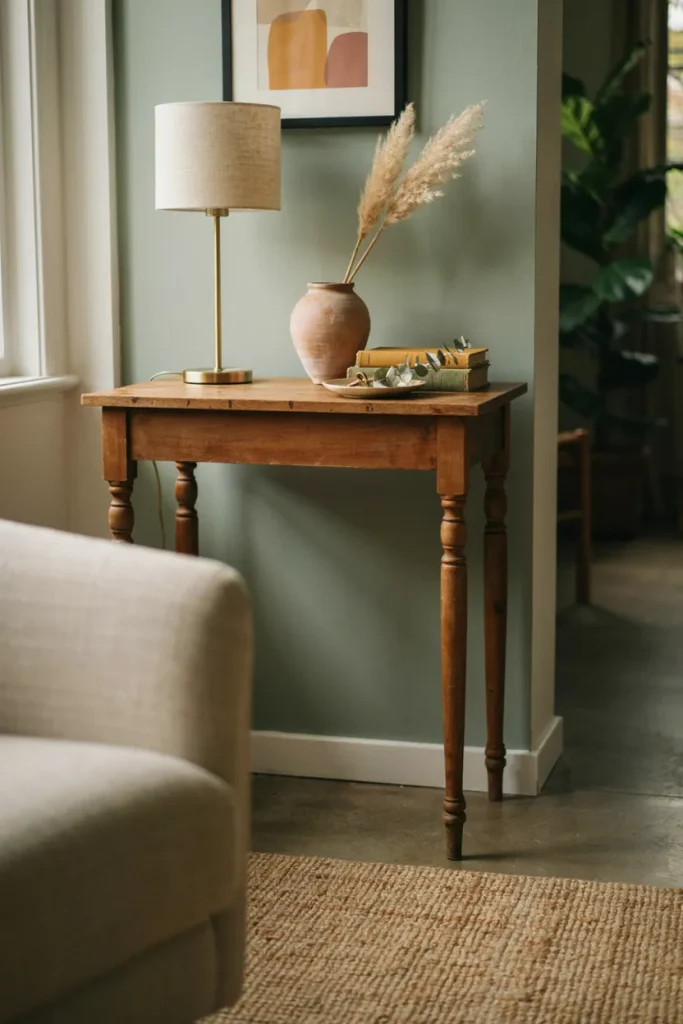
You don’t have to buy everything new.
Look for affordable decor at:
- Thrift stores
- Estate sales
- Facebook Marketplace
- IKEA
- Target
- Walmart
- HomeGoods
- TJ Maxx
- Marshalls
- Local flea markets
- Clearance sections
The goal isn’t to buy more. It’s to buy pieces that genuinely improve your space.
Secondhand shopping can also help you find unique furniture and accessories that don’t look mass-produced.
17. Use Renter-Friendly Decor
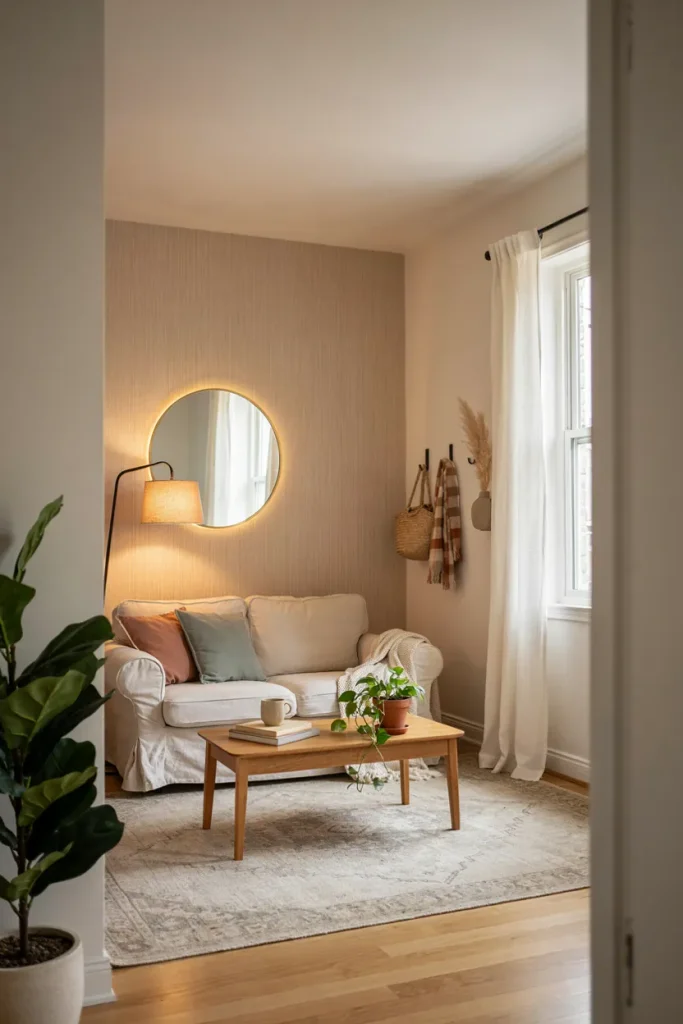
Renting doesn’t mean you have to live with a plain interior.
Consider temporary upgrades such as:
- Peel-and-stick wallpaper
- Removable backsplash tiles
- Tension curtain rods
- Large area rugs
- Floor lamps
- Removable wall hooks
- Decorative mirrors
- Temporary cabinet hardware
- Fabric slipcovers
- Stick-on LED lighting
Always check your rental agreement before making changes and choose products designed to be removable.
18. Rotate Seasonal Decor Instead of Buying More
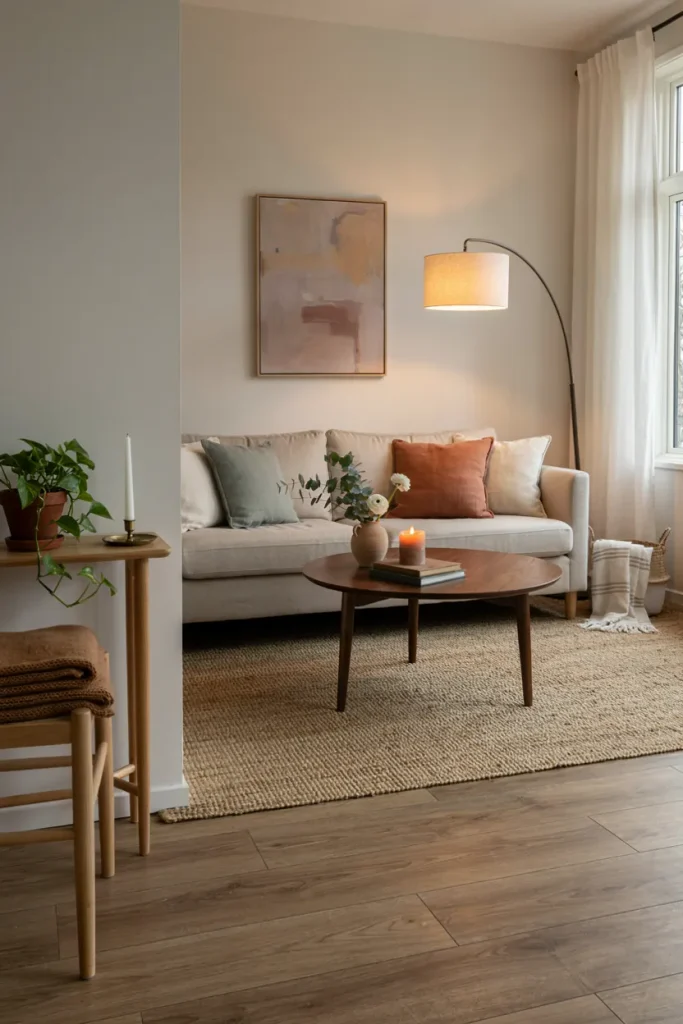
You don’t need a completely new collection of decorations every season.
Instead, keep a small collection of versatile accessories and rotate them.
Spring
- Fresh flowers
- Light linen pillows
- Green plants
Summer
- Woven baskets
- Light neutral accents
- Coastal-inspired textures
Fall
- Knit blankets
- Warm earthy colors
- Wooden accessories
Winter
- Soft throws
- Candles
- Cozy lighting
- Faux greenery
Store seasonal items in labeled containers so you can reuse them year after year.
Budget Home Decor Ideas by Room
Living Room
The living room is often the most noticeable area of the home.
Focus on:
- Layered lighting
- A properly sized rug
- Coordinated pillows
- A throw blanket
- Indoor plants
- A styled coffee table
- One strong focal point
Bedroom
Keep the bedroom calm and comfortable.
Consider:
- Blackout curtains
- Matching bedside lamps
- Coordinated bedding
- Under-bed storage
- Minimal nightstand decor
- A textured throw
Kitchen
Focus on organization and useful decorative elements.
Try:
- Decluttering countertops
- Matching containers
- Wooden cutting boards
- Cabinet hardware
- Under-cabinet lighting
- A simple centerpiece
Bathroom
Small details can make the bathroom feel more organized.
Use:
- Matching towels
- Coordinated storage
- A stylish soap dispenser
- A wooden tray
- Small plants
- A clean shower curtain
Entryway
Make the entryway both functional and attractive.
Add:
- A mirror
- A narrow table
- Storage baskets
- Hooks
- A runner
- Small greenery
DIY Home Decor Projects That Save Money
DIY projects can reduce decorating costs while giving your home more personality.
Try:
- Painting old furniture
- Framing printable artwork
- Creating a gallery wall from thrifted frames
- Making simple floating shelves
- Refreshing lamps with new shades
- Painting interior doors
- Decorating plain storage boxes
- Building simple plant shelves
Choose projects based on your skill level and the tools you already have.
Common Budget Home Decor Mistakes to Avoid
1. Buying Too Many Small Decor Pieces
Too many small accessories can make a room feel cluttered.
Instead, choose fewer pieces with more visual impact.
2. Ignoring Scale and Proportion
Furniture and decor should be appropriately sized for the room.
For example:
- Large walls can support larger artwork.
- Rugs should be appropriately sized for the furniture arrangement.
- Coffee tables should relate to the size of the sofa.
- Lighting fixtures should suit the room.
3. Using Only One Light Source
A single ceiling light can make a room feel flat.
Try combining ambient, task, and accent lighting.
4. Following Every Trend
Trends change quickly.
Use timeless furniture and larger pieces, then bring trends into your home through affordable accessories that are easier to replace.
5. Forgetting Negative Space
Not every wall needs artwork.
Not every shelf needs decoration.
Space can help important pieces stand out.
6. Choosing Decor Before Function
A beautiful room should still work for everyday life.
Before buying something, ask:
- Will I use it?
- Does it solve a problem?
- Does it improve comfort or storage?
Good decorating balances appearance with functionality.
Budget Decorating Checklist
Before considering a room finished, ask:
- Is the color palette consistent?
- Does the room have layered lighting?
- Are visible surfaces free from unnecessary clutter?
- Have I mixed different textures?
- Is there a clear focal point?
- Does the room include natural elements?
- Are accessories balanced?
- Have I stayed within my budget?
- Does the room still feel functional?
If the answer is yes to most of these questions, your space is likely to feel cohesive and intentional.
Frequently Asked Questions
How can I decorate my home on a very small budget?
Start with decluttering, rearranging furniture, improving lighting, and shopping secondhand. These changes can make a noticeable difference without requiring a large budget.
What colors make a home look expensive?
Neutral shades such as white, beige, greige, taupe, warm gray, and soft earth tones can create a timeless appearance. Add one or two accent colors for personality.
What’s the first room I should decorate?
Many people start with the living room because it is often used frequently and is one of the first spaces guests see. However, the best starting point depends on your home’s layout and your personal priorities.
Is DIY home decor worth it?
DIY can be a cost-effective way to refresh furniture, artwork, lighting, and storage. Choose projects that match your skills and budget.
Can small apartments look luxurious?
Absolutely. Focus on multifunctional furniture, mirrors, layered lighting, vertical storage, appropriate-sized rugs, and keeping clutter under control.
How much should I spend decorating one room?
There is no fixed amount. A room can often be noticeably improved with a modest budget by prioritizing paint, lighting, textiles, organization, and secondhand pieces instead of replacing everything.
Final Thoughts
Creating a beautiful home isn’t about having the biggest decorating budget. It’s about making smart and intentional choices.
The best budget home decor ideas focus on the elements that have the greatest visual impact: lighting, color, proportion, texture, organization, and carefully selected accessories.
Start by decluttering and using what you already own. Then make gradual improvements such as upgrading lighting, adding greenery, replacing hardware, improving textiles, and introducing one or two strong focal points.
You don’t need to transform your entire home at once.
Start with one room, set a realistic budget, and make improvements one step at a time. Small changes, when chosen carefully, can create a surprisingly significant transformation.
Key Takeaways
- Choose a consistent decorating style.
- Use a simple color palette.
- Layer lighting instead of relying on one ceiling fixture.
- Declutter before buying new decor.
- Upgrade affordable items such as pillows, curtains, rugs, and cabinet hardware.
- Use mirrors and greenery to add visual interest.
- Shop secondhand and clearance sections.
- Refresh old furniture with DIY projects.
- Choose renter-friendly solutions when needed.
- Focus on timeless design instead of constantly following trends.
- Decorate one room at a time to stay within budget.
- Prioritize function as well as appearance.