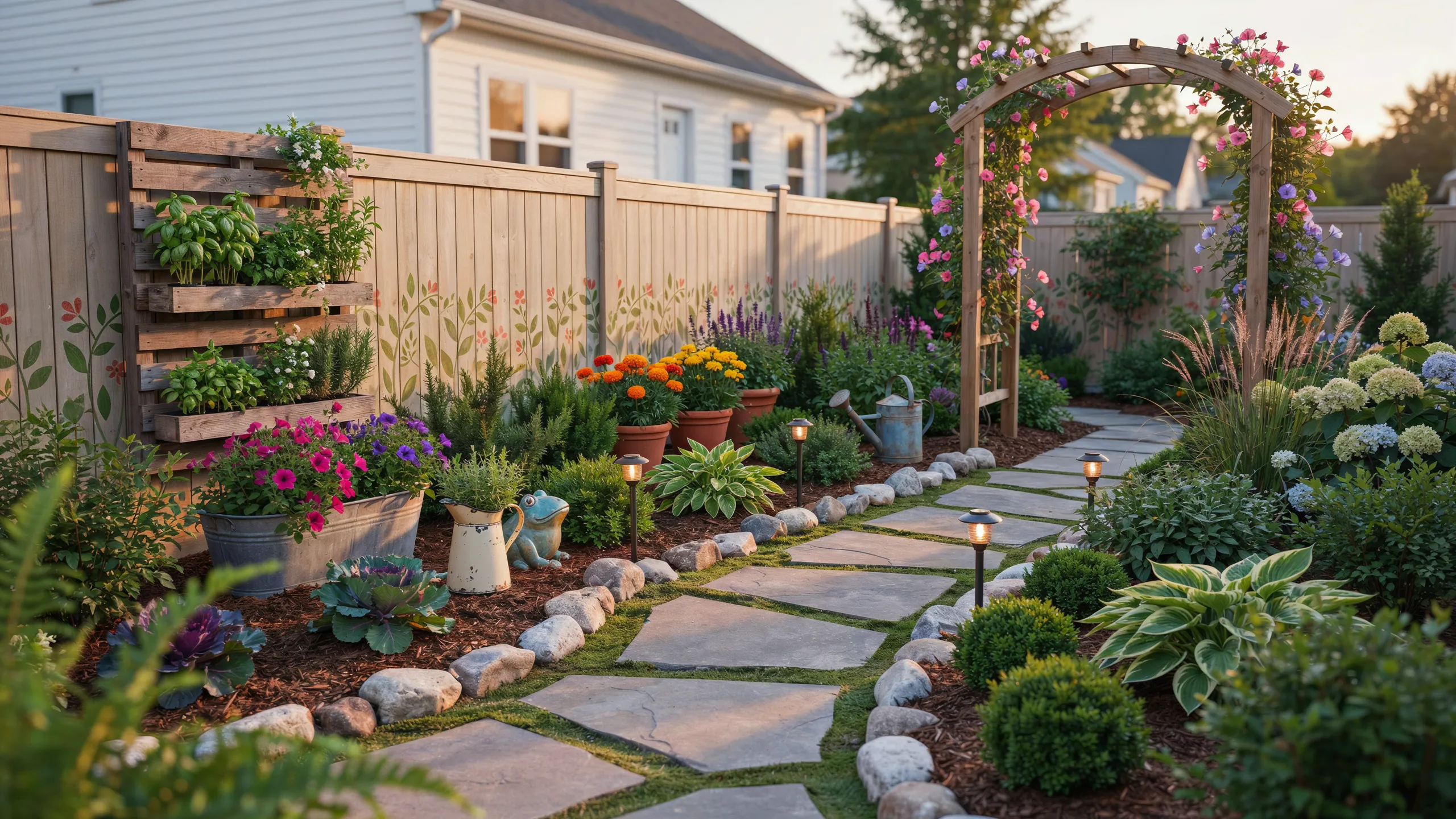
10 Budget-Friendly Garden Decoration Ideas That Look Expensive: A Complete DIY Guide for Every Garden Size
Budget-friendly garden decoration ideas can make a beautiful outdoor space look inviting and stylish without requiring a luxury landscaping budget. Some of the most inviting outdoor spaces don’t require expensive stone patios, custom water features, or designer furniture. Thoughtful planning, creative DIY projects, and a few well-chosen upgrades can create a polished look without a luxury landscaping budget. The secret isn’t how much you spend; it’s how intentionally you decorate.
Whether you have a spacious backyard, a compact patio, a townhouse garden, or a tiny apartment courtyard, the right decorative touches can completely transform your outdoor space without draining your wallet. In fact, many budget-friendly ideas add just as much personality as high-end landscaping because they’re customized to your style rather than copied from a showroom.
Unfortunately, many “cheap garden decorating” articles focus on random craft projects without explaining how to combine them into a cohesive design. Others ignore practical concerns like durability, maintenance, climate, renter-friendly options, and long-term value. As a result, homeowners often spend money on decorations that fade quickly, don’t suit their space, or end up looking cluttered.
This guide takes a smarter approach.
You’ll learn how to decorate your garden on a realistic budget, choose projects that deliver the biggest visual impact, avoid common DIY mistakes, and create an outdoor space that looks professionally designed. Whether you’re starting with an empty yard or simply refreshing an existing garden, these ideas will help you maximize your budget while building a garden you’ll enjoy for years.
Why Budget-Friendly Garden Decoration Ideas Can Look Expensive
Budget-friendly garden decoration ideas often take a different approach, using smaller decorative elements instead of relying on expensive focal points such as fountains, pergolas, or custom stonework. While these features can be stunning, they often consume most of the budget, leaving little room for the smaller details that make a garden feel warm and welcoming.
Budget decorating works differently.
Instead of relying on one expensive feature, it layers several complementary elements that create depth, texture, and personality throughout the space. A garden with fresh mulch, painted edging stones, climbing plants, solar lighting, and a handmade wooden planter often feels more inviting than one centered around a single oversized ornament.
This layered approach also allows you to improve your garden gradually. Rather than saving for one costly renovation, you can complete small projects over time, spreading expenses across several weekends while continuously improving your outdoor space.
Plan Your Garden Before Buying Anything
One of the biggest mistakes beginners make is purchasing decorative items without an overall plan. A few random planters, solar lights, and garden statues may look attractive individually, but together they can create a cluttered, unbalanced space.
A practical way to plan your garden is to divide the space into functional zones before buying decorative items.
Before buying anything, evaluate these areas separately.
Entrance and Walkways
Your entrance creates the first impression of your garden. Decorative borders, lighting, stepping stones, and colorful containers naturally guide visitors through the space.
Planting Beds
Flower beds benefit from clean edging, layered planting heights, mulch, decorative rocks, and carefully selected focal plants.
Seating Area
Whether you have a patio, deck, or small bench, treat this space like an outdoor living room by adding comfortable seating, planters, outdoor rugs, and lighting.
Vertical Space
Fences, walls, trellises, pergolas, and unused corners provide opportunities for hanging baskets, climbing plants, decorative artwork, and vertical gardens.
Seasonal Display Areas
Reserve one or two areas where seasonal flowers or decorations can be rotated throughout the year without changing the entire garden.
Planning each zone separately prevents unnecessary spending while helping every decorative element feel intentional.
Create a Simple Garden Mood Board
Before buying anything, collect a few garden photos that match the size and style of your outdoor space. Look for patterns in the designs rather than copying one garden exactly. Pay attention to: * Color palettes * Plant combinations * Furniture styles * Decorative materials * Lighting * Pathways * Containers * Fence treatments. A simple mood board can help you narrow your choices and avoid impulse purchases that don’t work with the rest of the garden.
Look for common themes instead of copying individual gardens.
Pay attention to:
- Color palettes
- Plant combinations
- Garden furniture
- Decorative materials
- Lighting styles
- Pathways
- Containers
- Fence treatments
You’ll quickly notice recurring patterns that help define your personal style.
A mood board also prevents impulse purchases, one of the biggest reasons budget decorating projects exceed their original cost.
Choose a Garden Style Before Decorating
Choosing a consistent style creates harmony throughout your outdoor space.
Here are some of the most popular styles and what defines them.
Cottage Garden
Relaxed, colorful, and full of flowering plants, cottage gardens feature winding paths, vintage containers, climbing roses, and natural-looking borders.
Best decorative materials:
- Terracotta pots
- Wooden benches
- Rustic birdhouses
- Vintage watering cans
Modern Garden
Modern gardens emphasize clean lines, geometric shapes, neutral colors, and minimal decoration.
Ideal materials include:
- Concrete planters
- Black metal furniture
- Gravel pathways
- Architectural plants
Rustic Farmhouse Garden
Farmhouse gardens combine reclaimed wood, galvanized metal, vintage accessories, and practical planting spaces.
Perfect additions include:
- Wooden crates
- Barrel planters
- Ladder displays
- Metal watering cans
Tropical Garden
Lush foliage, bold textures, and vibrant colors define tropical gardens.
Popular tropical-style plants include: Elephant ears , Cannas , Palms where climate permits ,Bird of Paradise in suitable climates or containers. In colder regions, many tropical plants can be grown as seasonal plants or moved indoors when temperatures drop.s include:
- Elephant ears
- Cannas
- Palms
- Bird of Paradise
Decorative bamboo, stone pathways, and warm lighting complete the look.
Mediterranean Garden
Mediterranean Garden Mediterranean-style gardens work especially well in warm, sunny climates and can be adapted elsewhere with climate-appropriate plants. Key features include: Olive trees where climate permits, Lavender Gravel paths, clay pots, Natural stone,Drought-tolerant plants.
Key features include:
- Olive trees
- Lavender
- Gravel paths
- Clay pots
- Natural stone
- Drought-tolerant plants
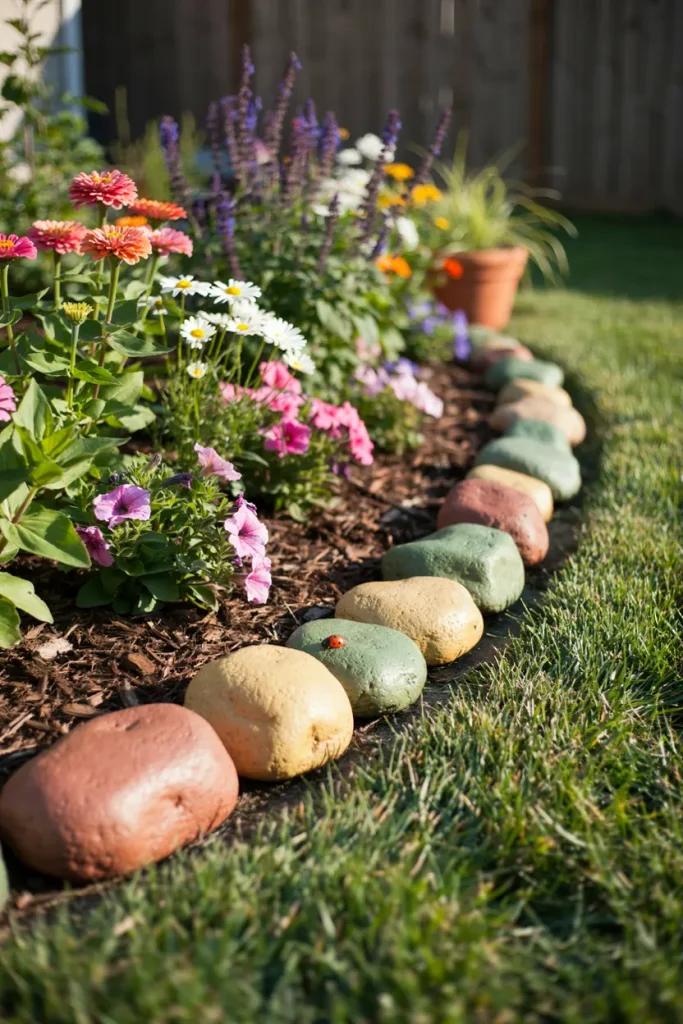
1. Build Beautiful Garden Borders Using Painted Rocks
Estimated Cost: $10–$25
Garden borders create structure, define planting beds, and make even simple landscapes appear professionally maintained.
Instead of purchasing expensive edging materials, Instead of purchasing expensive edging materials, reuse suitable stones already on your property or buy inexpensive landscape rocks from a local garden center or landscape supplier.
After cleaning them thoroughly:
- Apply exterior-grade primer.
- Paint using weather-resistant outdoor acrylic paint.
- Seal with a UV-resistant clear coat.
Rather than painting every rock a different color, choose two or three complementary shades that match your home’s exterior for a more sophisticated appearance.
Best Places to Use Painted Rock Borders
- Flower beds
- Vegetable gardens
- Mailbox landscaping
- Tree rings
- Garden pathways
Pro Tip: Reapply a clear protective sealant every one to two years to maintain vibrant colors and extend the life of your design.
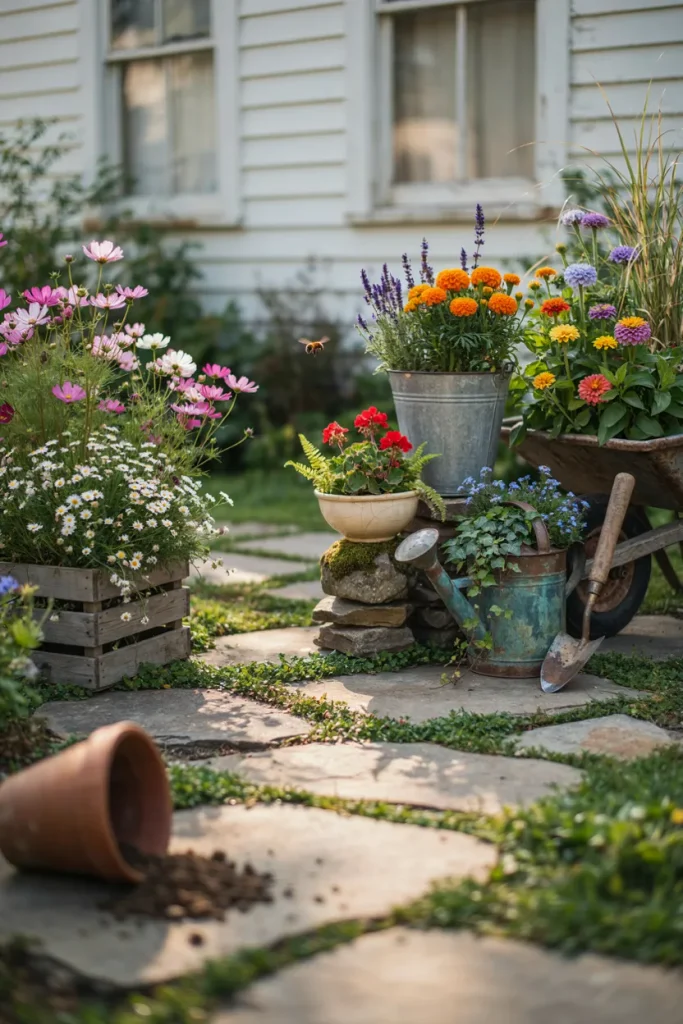
2. Turn Everyday Items into Stylish Planters
Estimated Cost: Free–$40
One of the easiest ways to give your garden character is by repurposing everyday household items into unique planters.
Excellent options include:
- Wooden crates
- Wheelbarrows
- Metal buckets
- Galvanized tubs
- Old watering cans
- Vintage suitcases (for covered patios)
- Ceramic bowls
- Chipped teapots
- Wine barrels
These one-of-a-kind containers often look more charming than mass-produced planters and cost significantly less.
Before planting, always drill adequate drainage holes to prevent standing water and root rot.
To create visual balance, vary container heights instead of placing every planter at the same level.
A grouping of three containers in different sizes almost always looks more natural than evenly spaced identical pots.
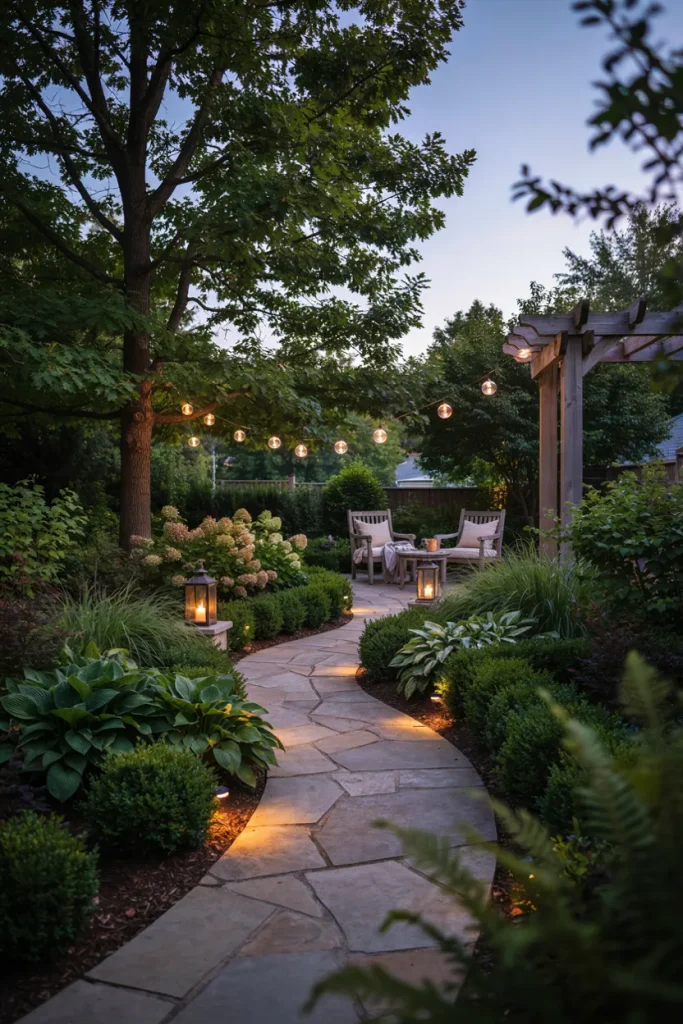
3. Use Solar Lighting to Transform Your Garden at Night
Estimated Cost: $15–$40
Adding affordable lighting is one of the highest-impact budget-friendly garden decoration ideas you can use in any outdoor space.
Instead of placing solar lights in a perfectly straight line, create clusters of light that mimic the softer, more natural appearance found in professionally designed landscapes.
Combine several types of lighting for depth:
- Path lights
- Spotlights
- String lights
- Lanterns
- Hanging solar bulbs
Warm white lighting creates a welcoming atmosphere, while cool white lighting works better for modern landscape designs.
If your garden receives limited sunlight during the day, position solar panels where they receive maximum exposure to improve nighttime performance.
4. Create a DIY Stepping Stone Path That Looks Professionally Installed
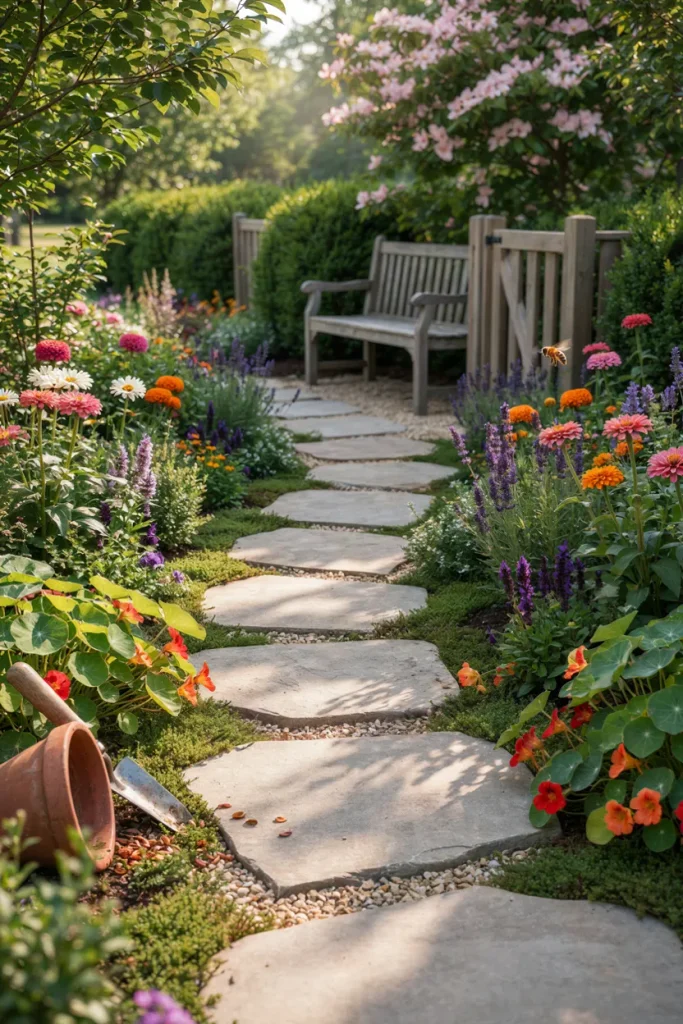
Estimated Cost: $20–$60
A well-designed pathway instantly makes a garden feel organized and inviting. It naturally guides visitors through the landscape while connecting different areas of your yard.
You don’t need expensive natural stone to achieve this look. Concrete stepping stone molds, gravel, recycled bricks, or reclaimed pavers can create an attractive pathway at a fraction of the cost.
Best Materials for Budget Pathways
| Material | Cost | Durability | Difficulty |
| Concrete molds | Low | Excellent | Easy |
| Reclaimed brick | Low | Excellent | Moderate |
| Gravel | Very Low | Good | Easy |
| Flat natural stones | Moderate | Excellent | Easy |
| Recycled pavers | Low | Excellent | Easy |
To make your pathway look custom-designed, avoid placing stones at perfectly equal distances. Slightly irregular spacing creates a more natural appearance.
For additional visual interest, plant creeping thyme, Irish moss, or low-growing ground cover between stepping stones.
Common Mistake
Many DIY stepping stones crack because they’re poured too thin.
For regular foot traffic, use adequately thick, properly supported stepping stones and follow the manufacturer’s recommendations when using concrete molds.
5. Build Vertical Gardens to Maximize Small Spaces
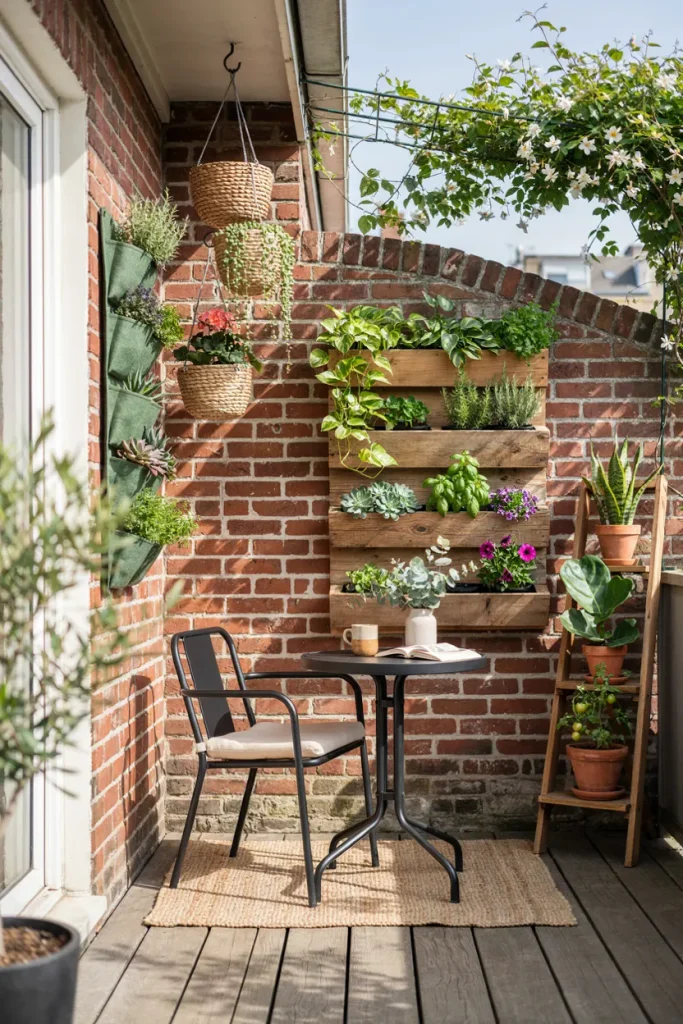
Estimated Cost: $15–$50
Limited garden space doesn’t mean limited creativity.
Vertical gardening allows you to grow more plants while adding texture and height to your landscape.
Excellent vertical projects include:
- Wooden pallet planters
- Wall-mounted flower boxes
- Hanging baskets
- Bamboo trellises
- Ladder plant displays
- Pocket fabric planters
- Wire grid walls
- Rain gutter planters
Vertical gardens are especially valuable for:
- Apartment patios
- Small backyards
- Courtyards
- Balconies
- Townhouses
Growing upward also creates stronger visual layers, making compact gardens appear much larger than they actually are.
Safety Tip
If you’re using reclaimed pallets, choose only those marked HT (Heat Treated). Avoid pallets stamped MB, as they were treated with chemicals unsuitable for growing edible plants.
6. Transform Fences and Blank Walls into Garden Features
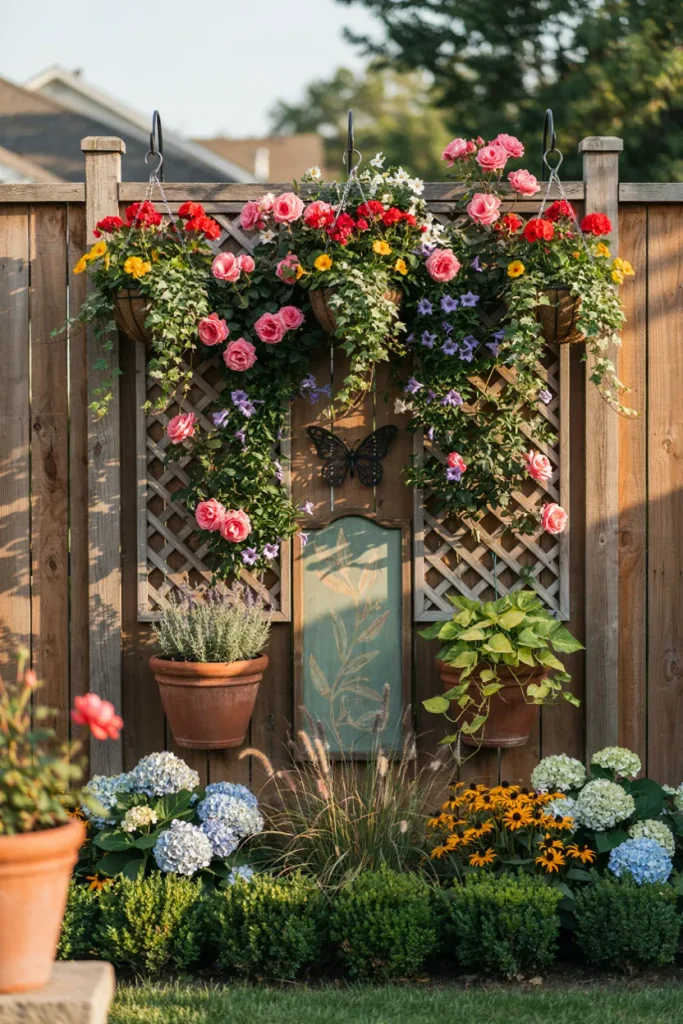
Estimated Cost: $20–$75
A plain fence often becomes the largest unused surface in a garden.
Instead of treating it as a boundary, turn it into part of your overall design.
Affordable decorating ideas include:
- Hanging flower baskets
- Decorative wall planters
- Outdoor mirrors
- Wooden signs
- Metal garden art
- Living walls
- Climbing vines
- Painted murals
- Vertical herb gardens
Painting just one fence panel as an accent wall can dramatically change the appearance of your garden without repainting the entire fence.
Best Climbing Plants
- Clematis
- Jasmine
- Morning Glory
- Climbing Roses
- Honeysuckle
- Black-Eyed Susan Vine
These plants soften fences while adding color and fragrance throughout the growing season.
7. Decorate with Thrift Store and Vintage Finds

Estimated Cost: $5–$30 per item
Some of the most charming garden decorations don’t come from garden centers.
Visit thrift stores, flea markets, estate sales, and garage sales to find unique pieces such as:
- Vintage watering cans
- Bird cages
- Wooden crates
- Ceramic bowls
- Milk cans
- Lanterns
- Window frames
- Iron gates
- Wooden ladders
- Antique buckets
These items often cost significantly less than new decorative pieces while adding character that’s impossible to replicate with mass-produced décor.
When shopping secondhand, look beyond an item’s original purpose.
An old ladder can become a plant stand.
A broken chair can become a flower display.
A vintage wheelbarrow can become the centerpiece of an entire flower bed.
8. Refresh Garden Beds with Mulch and Decorative Edging
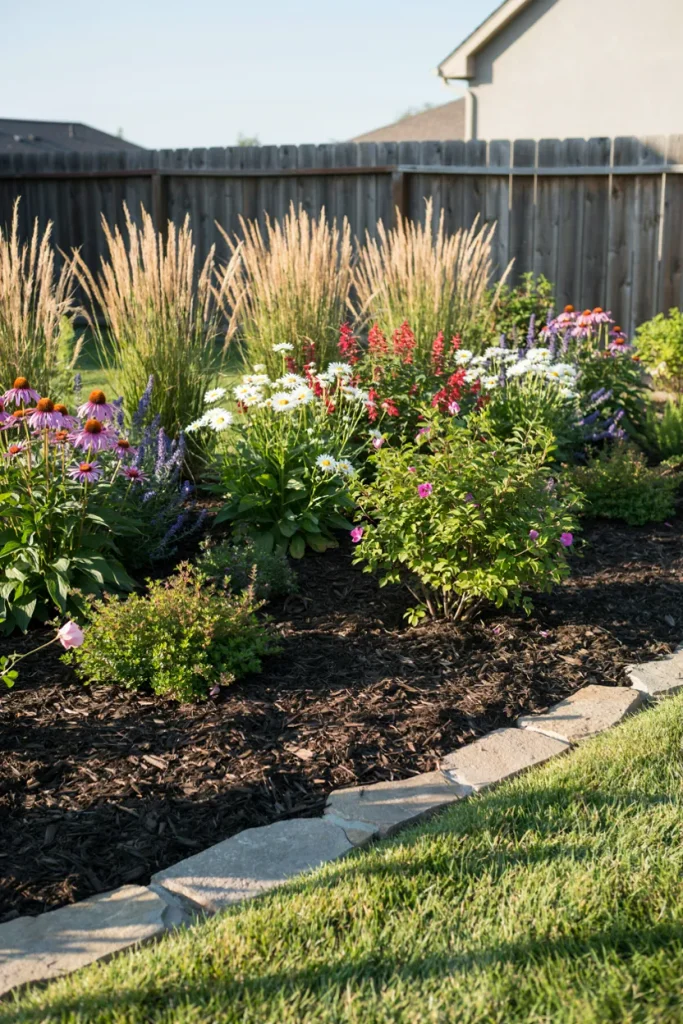
Estimated Cost: $25–$60
Few improvements offer a higher return for less money than fresh mulch.
A new layer instantly makes planting beds appear cleaner, healthier, and professionally maintained.
Benefits include:
- Better moisture retention
- Fewer weeds
- Improved soil temperature
- Cleaner appearance
- Reduced erosion
Popular mulch options include:
- Shredded bark
- Pine nuggets
- Cedar mulch
- Compost
Pair mulch with decorative edging made from:
- Bricks
- Natural stones
- Steel edging
- Recycled concrete
- Landscape blocks
Together, these two upgrades create one of the biggest visual transformations possible on a modest budget.
9. Build DIY Trellises for Beauty and Function
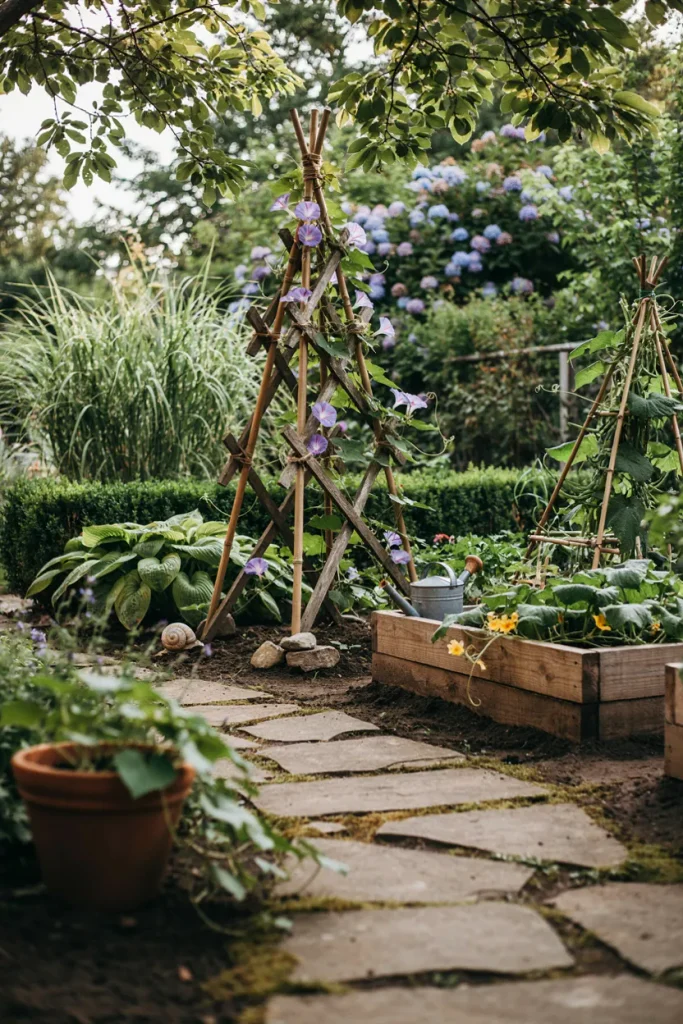
Estimated Cost: $15–$40
Vertical structures bring movement and dimension to any garden.
Simple DIY trellises can be built using:
- Bamboo poles
- Scrap wood
- Copper pipe
- Old window frames
- Metal fencing panels
- Tree branches
Besides supporting climbing plants, trellises create attractive focal points that naturally draw attention upward.
They’re perfect for growing:
- Cucumbers
- Sweet peas
- Beans
- Clematis
- Jasmine
- Climbing roses
Match the trellis color to nearby fences or furniture to create a cohesive landscape.
10. Update Seasonal Containers Instead of Buying New Décor
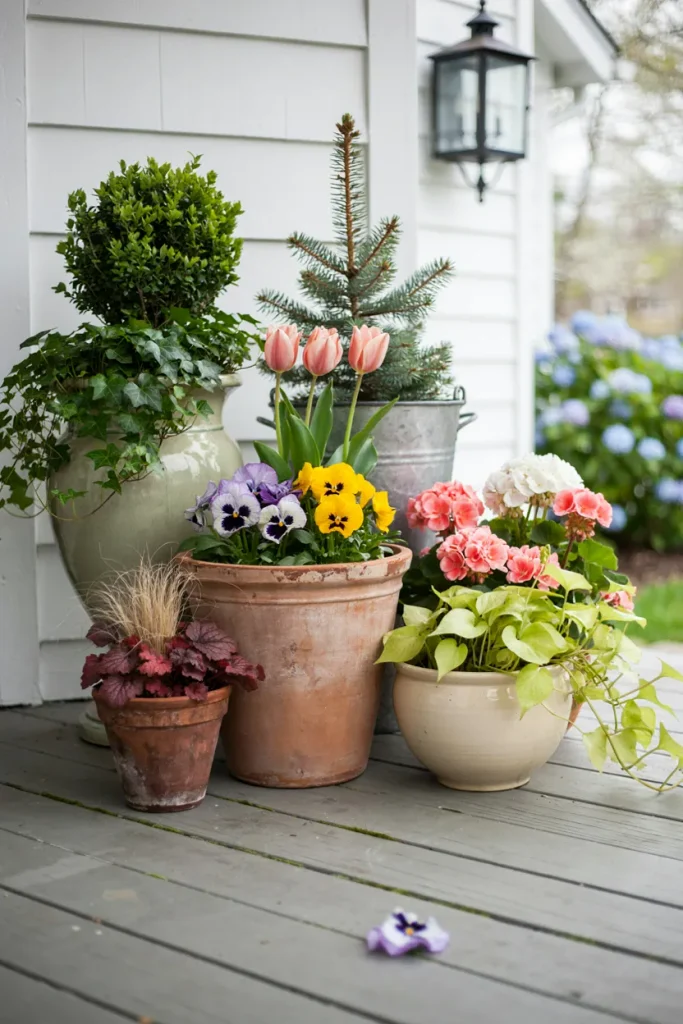
Estimated Cost: $15–$35 per season
Instead of purchasing new decorations every few months, refresh the plants inside your existing containers.
Spring
- Tulips
- Daffodils
- Hyacinths
- Pansies
Summer
- Petunias
- Zinnias
- Marigolds
- Geraniums
Fall
- Chrysanthemums
- Ornamental cabbage
- Kale
- Pumpkins
Winter
- Evergreen branches
- Holly
- Pinecones
- Decorative berries
Changing plants seasonally keeps your garden looking fresh all year while minimizing unnecessary spending.
How to Make Budget Garden Décor Look Expensive
Expensive gardens usually follow a few simple design principles rather than relying on expensive materials.
Use these professional techniques:
- Repeat colors throughout the garden.
- Stick to one decorating style.
- Layer plants by height.
- Mix different textures.
- Create one clear focal point.
- Leave open space instead of filling every corner.
- Use odd-numbered groupings of decorations.
- Repeat materials like wood, stone, or metal for consistency.
Remember, thoughtful design matters far more than expensive ornaments.
Budget-Friendly Garden Decoration Ideas by Budget
| Budget | Recommended Projects |
| Under $50 | Painted rocks, mulch, thrifted décor |
| $100 | Solar lights, containers, edging |
| $250 | Pathway, vertical garden, seating area |
| $500 | Complete garden refresh with lighting, pathways, planters, furniture, and decorative accents |
These budget-friendly garden decoration ideas allow you to improve your outdoor space gradually without exceeding your budget.
One Comment